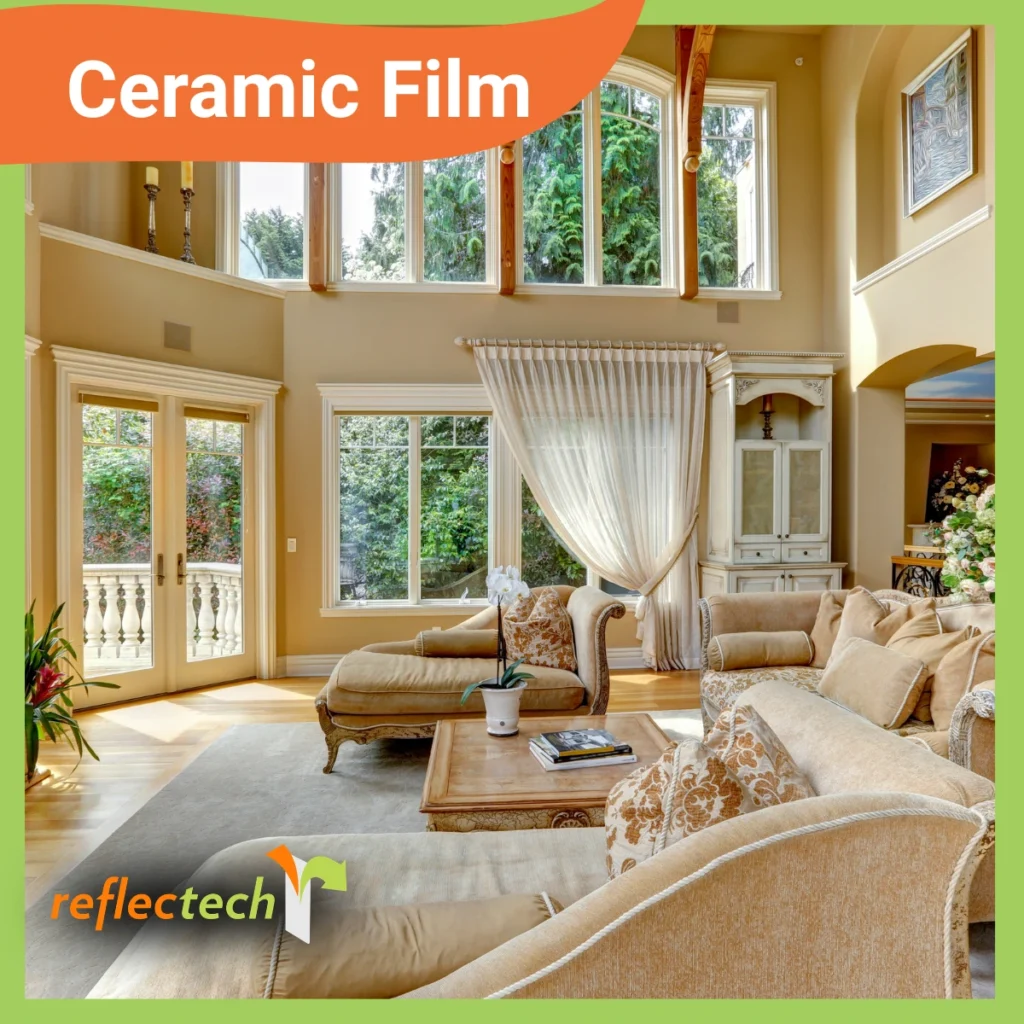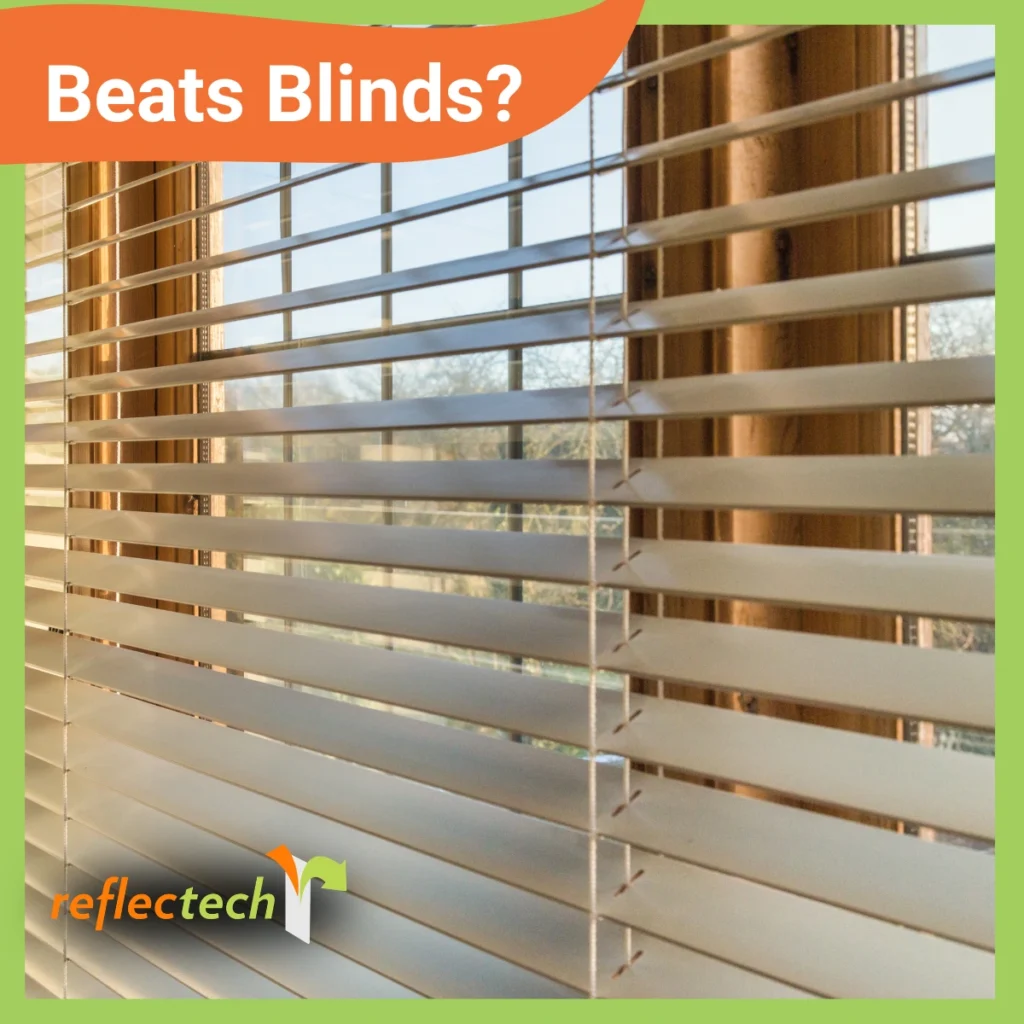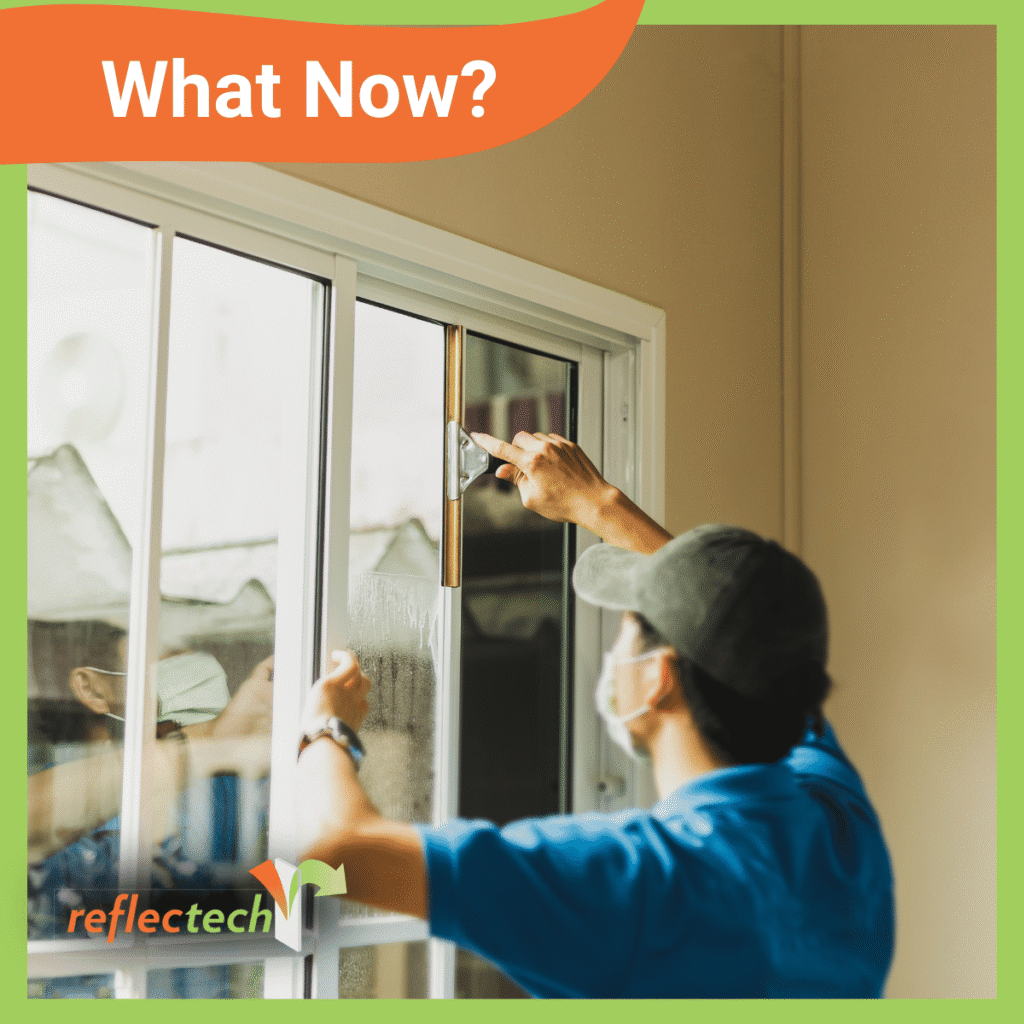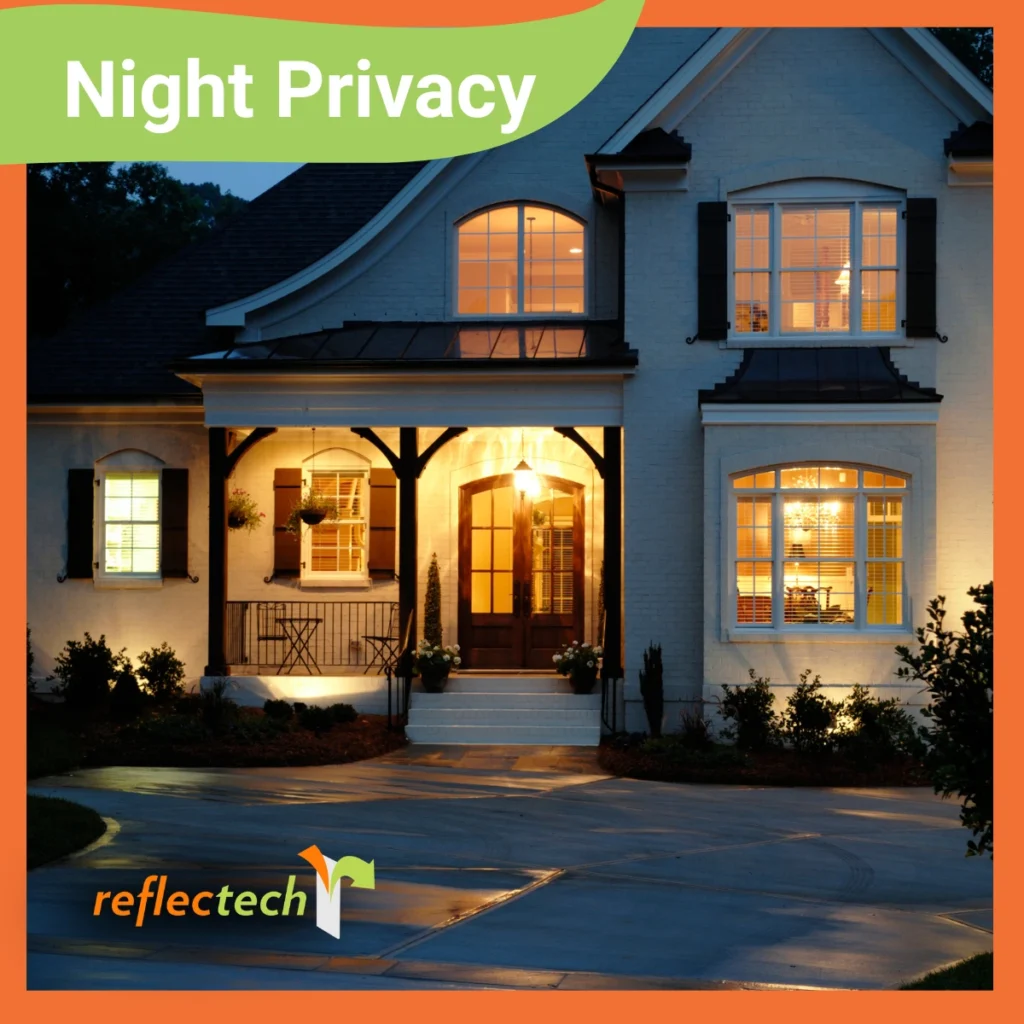
Category

Window Film

Window film is also known as sun control film or tint. There are many types so having an expert help choose is advisable.

Pre-installation Window Tint

Pre-Installation Window Tinting Know this Hidden Professional Tip

By Frost Film, Security Film, Window FilmNo Comments

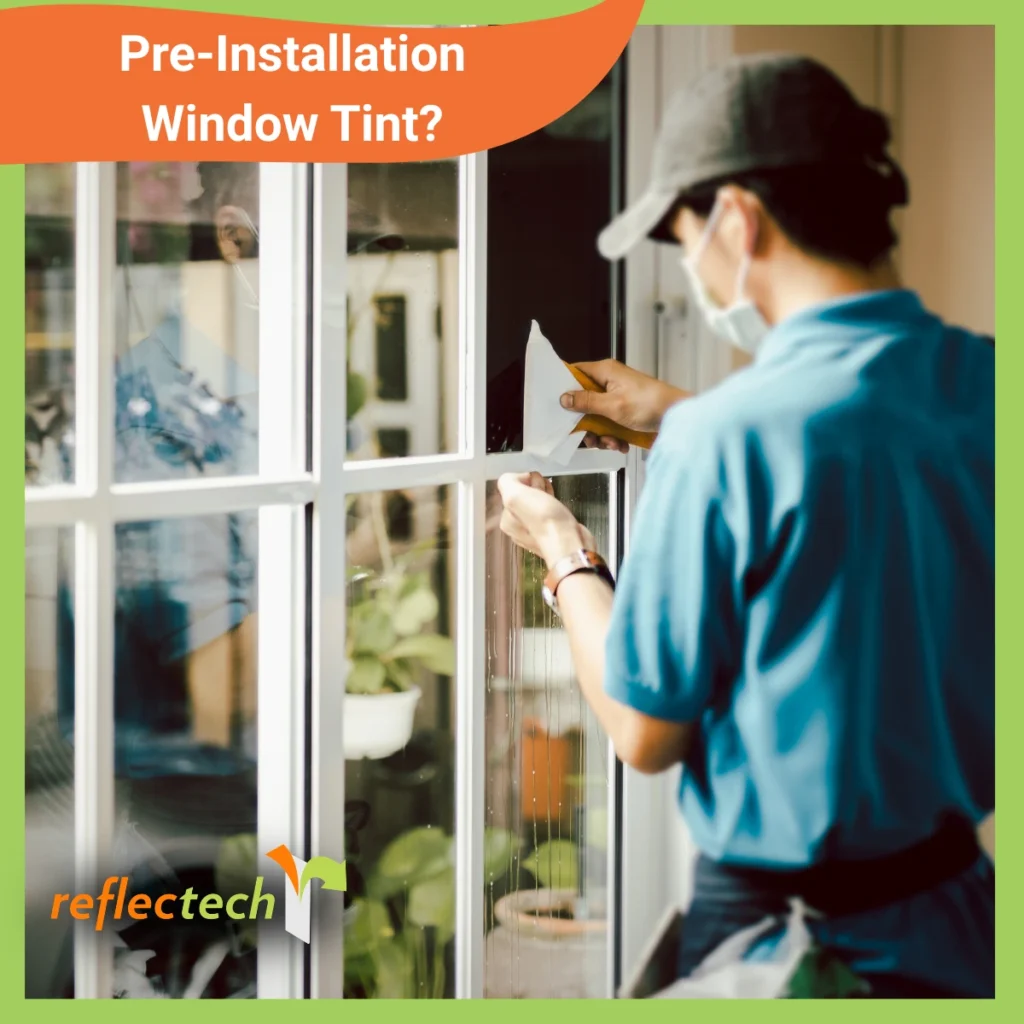
Pre-installation window tinting can save you time and money in a variety of ways. Modern window companies manufacture incredible products for your home today. However, many standard windows still underperform in extreme local climates. When building a new house, you want optimal energy performance. ReflecTech offers a truly ultimate solution for your next renovation through our pre-installation window tinting services. You simply bring your new windows directly to our warehouse. We upgrade the glass safely in our controlled professional facility. You completely skip the usual construction stress and messy disruptions. Our dedicated team ensures perfect results for your project always.

The Magic of a Controlled Paint Booth Environment

Think about painting a beautiful classic car in your driveway. Little winds blow bugs and dirt right into wet paint. You are heavily impacted by unpredictable, frustrating local weather patterns. It becomes impossible if the day turns cold or rainy. Now imagine painting your car in a clean, controlled booth. You eliminate all wind, dust, and annoying bugs completely. It works like absolute magic for a flawless paint job! This exact same logic applies perfectly to premium window tinting.

Smart Homeowners Choose Pre-installation Window Tinting

Many homeowners buy new glass panels for their custom builds. They often wait until after the complete installation finishes up. This delay creates many frustrating problems for everyone involved daily. Contractors walk through your clean living room continuously during work. Tinters bring bulky ladders into your newly finished living space. You can easily avoid this massive mess today with planning. We handle all the dirty work directly at our warehouse. We prep your beautiful new windows inside our pristine facility.

Weather Delays Vanish Easily

Triple pane windows offer incredible insulation for your modern home. However, they usually require exterior grade film installed facing outside. Doing this on a building site invites huge weather problems. We heavily emphasize how our warehouse helps triple pane owners. We work on your triple panes inside our secure warehouse. We control the environment completely for maximum film safety always. You avoid waiting for warm spring weather entirely this way.

Maximize Triple Pane Performance In Our Shop

Window film requires proper warmth to cure securely and perfectly. Cold environments destroy the film adhesive almost instantly upon contact. Our heated shop provides the ideal environment for your glass. We completely eliminate weather delays at our temperature-controlled warehouse facility. The temperature always stays above 10 degrees Celsius safely inside. Your exterior grade film cures securely and rapidly right here. You get amazing, highly efficient windows in the dead winter.

Ideal Conditions for Pre-installation Window Tinting

The NFRC rates window energy performance accurately for all consumers. Film improves these vital energy ratings significantly and incredibly quickly. Outdoor installations face many serious challenges on busy building sites. The weather changes without any warning during the work day. We eliminate these unpredictable problems completely for you right away. We install the exterior film in ideal, clean indoor conditions. Our warehouse stays perfectly climate-controlled all year round for you.

Keep Wind and Dust Away From Your Investment

Wind creates another massive problem for tinters working strictly outdoors. Sudden gusts catch the window film easily and very aggressively. The thin film folds and creases very quickly outside unassisted. Wind also blows dust onto the wet exterior glass surface. This traps dirt between the film and the glass pane. Trapped dirt ruins the beautiful aesthetic completely and permanently. We completely eliminate wind inside our safe, enclosed private facility. Your windows stay perfectly clean, smooth, and absolutely gorgeous always.

Clean Facilities Make Flawless Windows

Dust remains the ultimate enemy of wet window film application. Homes have dust floating everywhere inside during normal daily life. Construction sites create massive dust clouds daily without any fail. Sawdust fills the air constantly during intense home interior renovations. Drywall dust covers every single flat surface in clear sight. You cannot tint cleanly in that incredibly dirty, dusty mess. The dust sticks to the film adhesive immediately and permanently. It creates ugly bubbles under the expensive plastic window film.

Avoid Scaffolding Costs With Pre-installation Window Tinting

Our ReflecTech warehouse stays incredibly clean for our valued customers. We sweep and mop the warehouse floors meticulously every day. We carefully filter the air inside our professional shop space. A clean shop guarantees a perfect product for your home. We wipe down every glass frame meticulously before applying tint. We squeegee every drop of water away perfectly and cleanly. You never worry about trapped dirt particles ruining your views. We apply the premium product in a highly sterile zone.

Vacation Convenience for Your Home Renovation

We completely avoid active construction sites during the tinting process. This amazing warehouse option covers much more than triple panes. Opting for pre-installation window tinting means that having your bathroom shower glass upgraded benefits you immensely too. Standard windows that are not triple pane benefit equally well. We do not demand you use our warehouse exclusively today. We simply present this as an incredibly convenient, stress-free option. You can even go away on a fun, relaxing vacation. We safely install the window film while you travel away.

Protect Your Garage Tools With Reflective Films

Your perfect glass sits ready when you finally get back. Tall houses feature massive, beautiful windows that look stunning structurally. Hard-to-reach windows cause major installation headaches on the actual location. Installers charge huge scaffolding fees for reaching tricky exterior heights. Setting up scaffolding takes hours of difficult, highly dangerous work. You pay for all that extra equipment unless you adapt. You save thousands on scaffolding rental costs doing this indoors. You keep that hard-earned money right in your own pocket.

Security Soars With Pre-installation Window Tinting

Your renovation budget will thank you immensely and very quickly. You completely avoid the danger of high extension ladders outside. We handle the heavy glass safely downstairs for your convenience. Top brands like Llumar architectural films enhance modern glass beautifully. We use these premium products with absolute confidence and pride. Homeowners frequently bring garage windows to us for security upgrades. They want reliable privacy for their expensive garage tools inside. We apply highly reflective privacy film expertly and very smoothly.

Upgrade Office Privacy Without Disrupting Your Team

Neighbors cannot see inside the dark garage at all anymore. Thieves cannot spot your valuable gear easily from the outside. The homeowner takes them back home easily and very safely. They install the perfect, private windows themselves very quickly indeed. Companies like XPEL architectural films make incredible reflective privacy films. We use them for ultimate home security and family privacy. You securely protect your garage from prying neighborhood eyes easily. You effectively protect your valuable personal investments from potential theft.

Zero Interruptions With Pre-installation Window Tinting

Business owners want beautiful, functional office spaces for their staff. Staff members need privacy to work well and focus daily. You buy new glass for the big office renovation project. You want a clean, modern corporate look for visiting clients. We seamlessly apply frost film in our controlled warehouse space. Frost film adds instant elegance and crucial privacy immediately inside. Staff cannot see through the frosted film at all anymore. We finish the work at ReflecTech completely and very efficiently.

Keep Your Staff Working Hard and Focused

You experience zero office interruptions using this incredibly smart method. Your staff keep working productively all day long without noise. We never disrupt your busy workday schedule with construction sounds. Nobody wants workers blocking the busy office hallways during meetings. Brands like SunTek architectural films design beautiful frost films reliably. We completely trust their amazing products for corporate business upgrades. You get a stunning office environment quickly and very quietly.

Commercial Quality Frost Films Enhance Workspaces

Office spaces desperately need good privacy zones for busy employees. Meeting rooms require confidential discussion areas immediately upon facility opening. Clear glass walls offer zero real privacy for anyone inside. Visual distractions ruin employee focus and daily team productivity goals. You buy new glass for the corporate boardroom walls today. We carefully apply a gorgeous frosted privacy layer inside first. It immediately stops people from staring inside private business meetings. This creates a calm, highly focused work environment for everyone.

We Happily Offer On-Site Mobile Installations Too

Home renovations heavily consume your valuable free time every week. Contractors constantly enter your private personal space every single day. You must stay home for the various workers to arrive. Waiting around wastes your precious weekend days entirely and unnecessarily. Premium manufacturers like 3M window solutions create films improving lifestyles. We apply them carefully while you relax elsewhere entirely away. You pick up the glass when it is completely ready. You completely skip the frustrating hassle of strict home appointments.

Choose Pre-installation Window Tinting for Your Project

We love working in our controlled warehouse environment every day. However, we truly love visiting your property too for installations! We happily come to your workspace anytime you need us. We gladly visit your beautiful home today for custom installations. Mobile service remains a fantastic option always for our customers. We help everyone achieve their specific window tinting goals perfectly. We just want you to know all available installation options. Warehouse tinting simply offers incredibly unique benefits for everyone involved.

Reflective Window Film

The Truth About Reflective Window Film in the Dead of an Edmonton Winter

By Window FilmNo Comments

Reflective window film can change your winter experience in your home. Edmonton brings brutal, freezing temperatures every single year, and you feel that biting chill near your windows. You want a cozy house right now, so you need reliable solutions to block the cold. Many people misunderstand how reflective films actually work, but Reflective Window Film changes the entire game. You might think films only block summer sun, but this article reveals the absolute truth for you. You will discover amazing year-round comfort and savings, as this film provides incredible thermal benefits. We will explore the data and the science so you can upgrade your Edmonton property easily. Reflective Window Film guarantees an amazing transformation for your living spaces and your overall lifestyle.

The Real Truth About Reflective Window Film

Reflective Window Film acts like a powerful thermal shield installed directly on your glass. The advanced technology reflects indoor heat back into rooms so you stop wasting expensive furnace heat. It delivers extreme temperature control constantly, keeping your environment perfectly balanced all year. There are a number of premium manufacturers that offer excellent options for these exact situations, and here are a few (Llumar, SunTek, Tekton). They engineer these high-tech products to maximize your comfort while the film traps heat. You keep your hard-earned money in your wallet, and it upgrades your life instantly.

Surviving the Bitter Edmonton Cold

Temperatures drop below zero constantly during our winters, forcing your furnace to work overtime for warmth. Single-pane and double-pane glass both lose massive heat because glass naturally transfers thermal energy outside. You feel uncomfortable drafts near windows, making your living space extremely chilly and unpleasant every day. You must find smart ways to insulate your glass, but heavy curtains look outdated and block views. Blinds gather dust and fail to seal edges, so you need a modern, sleek solution for glass. Reflective Window Film fixes these drafty problems perfectly without ruining your beautiful exterior visibility.

How Reflective Window Film Traps Heat

A product like Tekton Visio 25 uses advanced dual-reflective technology. Manufacturers embed invisible metallic layers inside the film to reflect radiant heat instantly and effectively. Your furnace generates heat to warm your air, and the film bounces that heat back inside quickly. It acts like a thermos bottle, keeping the warm air exactly where needed. You achieve maximum heating efficiency without replacing your windows, saving you thousands of dollars upfront. LLumar provides outstanding data on this thermal retention, and you can check their specifications here: LLumar Energy Saving. Reflective Window Film revolutionizes your home heating by locking the warmth inside your rooms securely.

Busting Myths About Reflective Films

Many homeowners believe tint makes houses too dark or think reflective coatings look like aluminum foil. Modern manufacturing creates crystal clear, beautiful window upgrades, meaning you barely notice the film on glass. People also think tint only works for summer, completely ignoring the incredible winter insulation properties.  Let us examine the real facts about performance. This technology brightens your daily life while delivering massive improvements to your home insulation.

Does Reflective Window Film Reduce Heat?

Yes, Reflective Window Film reduces heat during Edmonton winters by rejecting solar heat gain on bright afternoons. It also retains your valuable furnace heat efficiently, so it delivers perfect dual-season performance. You get ultimate temperature control all year long, even when the sun causes glare on winter days. The sun can overheat specific south-facing rooms, but it balances out these temperature spikes. You stop sweating in your sunroom during January, and you stop freezing in your north-facing bedrooms. Reflective Window Film creates total temperature harmony, making every single room perfectly comfortable for everyone.

Summer Cooling vs Winter Warming

Summer demands heat rejection to lower air conditioning, so the film bounces solar radiation away from glass. You save massive amounts on your electricity bills, while winter demands heat retention to lower gas bills. The exact same film reflects internal heat inwards, helping you save massive amounts on your heating costs. This creates a brilliant two-way energy-saving system where you invest once and harvest returns every season. Reflective window film does do more in summer, but the winter benefits are there too, providing ~4% increase in window insulation and reflecting heat back into the room.

Exploring Reflective Window Film Benefits

The material offers far more than warmth, giving you several amazing upgrades to your lifestyle. We must discuss these additional, life-changing perks now because you will wonder how you lived without them. It transforms your entire indoor experience, protecting your family, your furniture, and yourself. Let us dive into these specific daily advantages, as Reflective Window Film provides incredible value daily. You will absolutely love the final installation results since the film enhances every single room.

Stopping That Annoying Winter Glare

The Edmonton sun sits very low during winter, creating blinding, frustrating indoor glare across your rooms. The harsh light hits your television and computers, meaning you cannot work or relax comfortably like this. You constantly close your blinds to block light, which means you lose your beautiful view outdoors. Reflective coatings cut this intense glare significantly, letting you enjoy natural light without the painful brightness. You can finally watch movies in the afternoon, as Reflective Window Film saves your tired eyes.

Why Reflective Window Film Adds Privacy

Reflective Window Film creates excellent daytime privacy because the reflective exterior acts like a one-way mirror. Neighbors cannot see inside your home during daylight, so you keep your family safe from prying eyes. You can open your blinds with total confidence since it protects your personal sanctuary. Solyx creates incredible privacy and decorative film options, and you can explore their extensive catalog here: Solyx Decorative Films. They offer stylish solutions for any glass surface, ensuring the film secures your private moments.

Finding Your Perfect Glass Match

Every home requires a specific, customized glass solution, so you must evaluate your unique sun exposure first. South-facing windows need stronger heat and glare rejection, while north-facing windows prioritize maximum heat retention and insulation. You should consult professional installers to assess everything, letting them measure your glass and recommend ideal products. You choose between light, medium, or dark tints, and you also select the level of exterior reflectivity. Reflective Window Film adapts to your exact needs, meaning it fits any architectural style.

Picking Reflective Window Film for Offices

Commercial buildings face massive energy loss through glass, but Reflective Window Film saves businesses thousands annually. Employees need comfortable temperatures to maintain high productivity, and sun glare destroys computer screen visibility very quickly. It solves both commercial problems instantly, helping building owners achieve rapid investment returns. You lower your corporate carbon footprint significantly too by reducing the massive workload on your HVAC systems. SunTek engineers fantastic commercial-grade films for large projects, and you can discover their architectural options here: SunTek Architectural. This upgrade improves your entire business by creating a superior working environment for everyone.

Upgrading Your Edmonton Home Today

Residential applications dramatically improve your daily living space by protecting expensive hardwood floors from fading away completely. You save your custom furniture from UV destruction because the film blocks 99% of harmful ultraviolet rays. You basically apply sunscreen directly to your house, protecting your delicate skin while sitting indoors too. This adds immense value to your residential property since buyers love seeing energy-efficient upgrades on a home. You boost your resale value with one installation, and Reflective Window Film makes your house desirable.

Year-Round Perks of Reflective Window Film

Reflective Window Film never takes a vacation, ensuring you experience continuous benefits every single day. Spring brings unpredictable weather and shifting sun angles, while summer brings blazing heat and soaring cooling costs. Fall brings beautiful colors but increasing heating demands, yet the film manages all seasonal transitions. You stabilize your indoor climate effortlessly and automatically, so you never need to switch anything out seasonally. You just enjoy a perfectly balanced home environment, as it handles every weather condition.

Making the Ultimate Choice for Comfort

You now understand the incredible power of film since you know it blocks cold and traps heat. You know it stops glare and adds privacy, giving you the necessary data to make an upgrade. You can stop wasting money on energy bills to create a comfortable, cozy Edmonton sanctuary for yourself. Do not let another freezing season ruin things, so take action to improve your glass surfaces today. Reflective Window Film gives you ultimate control, and it delivers true peace of mind.

Does Reflective Window Film Save Money?

Reflective Window Film guarantees serious energy savings, helping you recover your installation costs through lower bills. The technology works continuously without any required maintenance, so you simply clean your windows normally with soap. It resists scratches and peeling beautifully, and manufacturers back their products with robust warranties. You secure a permanent, reliable upgrade for life, meaning your bank account will thank you every month. The installation proves itself a genius investment, as it slashes your utility costs. A good reflective film will save you money year-round, definitely more in summer than in winter. But it will add comfort all year round.

Yes, reflective film reduces heat in two ways by rejecting solar heat gain in the blistering summer. It rejects heat on very bright winter afternoons, but it also retains precious furnace heat in winter. For Edmonton homeowners, that dual-season performance is perfect. This climate specifically demands this exact versatile technology to handle both extreme seasons efficiently and safely. You need durable products that survive the harsh cold, and Reflective Window Film answers this call.

Upgrading With Reflective Window Film Experts

If you want this amazing technology, an expert install team can help. An expert team will not only ensure you have the right information. They will get back to you promptly with over the phone consultations and free quotes. Not all glass is the same, they should ask questions to ensure you get the right film for your windows.

Understanding the Installation Process Steps

Professional installers handle everything quickly and extremely safely, cleaning your glass thoroughly before applying anything to it. They measure and cut the material with precision, and the technicians apply a special mounting solution next. They squeegee the water out to seal everything, ensuring you experience zero disruption to your daily routine. The entire process takes just a few short hours, letting you see immediate results the very same day. Reflective Window Film bonds strongly to your glass, providing a flawless finish that looks incredibly professional.

Why Reflective Window Film Outperforms Blinds

Traditional window treatments fail to insulate your home because blinds let cold air slip right through gaps. Curtains absorb dust and trigger awful allergy symptoms while shutters block your beautiful view of the neighborhood. Reflective Window Film eliminates all these annoying issues, helping you keep your stunning views completely unobstructed. You enjoy a modern, incredibly sleek aesthetic appearance, so you never have to wash dusty drapes again. It requires zero tedious daily maintenance, and it modernizes your living spaces.

Contact Our Edmonton Team Right Now

We provide real numbers for your own windows, so contact our expert team today to schedule things. You can start enjoying a more comfortable home, and you will absolutely love your space every season. Reflective Window Film delivers the ultimate lifestyle upgrade because you deserve to live comfortably in freezing weather. It makes this dream a reality, so reach out right now to secure your installation. We promise an incredible transformation for your house, as Reflective Window Film changes how you experience winter.

Window Tinting

The Heat Vs. Light Dilemma: The Truth About Window Tinting

By Window FilmNo Comments

The Heat Vs. Light Dilemma: The Truth About Window Tinting

You love the natural sunlight streaming into your living room, highlighting your beautiful interior design and boosting your mood. However, you absolutely hate the sweltering summer temperatures that arrive every single afternoon. As a homeowner, you face a very tough choice regarding your windows. We call this the heat reduction and light let-in dilemma. It is a daily struggle that ruins your overall comfort. You want a cool, comfortable space for your family, but you also want bright, natural illumination all day long. You certainly do not want a dark, cave-like house at noon, but you also refuse to sweat indoors constantly during the peak of July. You need a reliable window tinting solution right now to regain control over your indoor climate and live comfortably.

Understanding the Mechanics of Residential Window Tinting

Standard glass windows offer absolutely zero solar thermal protection. They let all incoming heat and visible light inside unhindered. When sunlight hits standard untreated glass, the radiant energy transfers indoors almost immediately, turning your beautiful home into a greenhouse. The heat becomes trapped, and the indoor temperatures rise rapidly and intensely. The default reaction for most homeowners is to close the blinds or draw heavy blackout curtains. While this temporarily stops the direct heat waves, it completely eliminates all natural illumination, plunging your cheerful living room into depressing total darkness.

Window tinting offers a brilliant, modern technological solution to this exact problem. Installers apply microscopic layers of high-tech film directly to your existing glass. These advanced layers are engineered to selectively filter incoming solar energy—allowing you to enjoy the pleasant sunlight without suffering through brutal heat waves.

The Core Trade-Off: Reflectivity vs. Visible Light

When exploring your window tinting options, it is critical to acknowledge the fundamental trade-offs of reflectivity versus visible light. Higher reflectivity will always yield the best glare reduction, the highest peak energy efficiency, and the most balanced indoor environments. Highly reflective window tinting acts like a shield, physically bouncing the sun’s solar energy away before it ever has a chance to penetrate your glass and heat up your air.

However, physics dictates a necessary compromise. To get that top-tier reflectivity, you will need a greater density of reflective elements—such as specialized metallic particles or advanced ceramics—embedded within the film. This increased density inherently reduces the amount of visible light allowed into the building. You cannot cheat physics; you cannot have 85% or 90% heat rejection while maintaining perfectly clear, invisible glass. The heat reduction and light let-in dilemma dictates that to achieve extreme cooling power, you must make a compromise regarding visible light.

How Infrared Light Drives the Need

To truly understand how window tinting solves this climate dilemma, you must understand the role of infrared light. Infrared light represents the invisible solar heat energy shining downward from the sun. You cannot see infrared light rays visually at all, but you feel them intensely on your skin, and they are the primary reason your rooms overheat so rapidly in the summer.

High-quality window tinting specifically targets this invisible infrared energy spectrum. By blocking the heat at the molecular level, advanced films manage the heat reduction and light let-in dilemma cleverly. They allow the visible light spectrum to pass through your windows so your family can see clearly, while simultaneously stopping the invisible heat rays from entering. This strategy defeats the most frustrating aspects of the summer heat, ensuring you maintain a bright, cheerful environment while drastically improving your indoor comfort.

Smart Technology and Innovations in Window Tinting

The window tinting industry has evolved far beyond the cheap, purple-bubbling dyed films of the past that faded quickly and offered poor heat rejection. Today, engineers study the heat reduction and light let-in dilemma in state-of-the-art laboratories. Global industry leaders like Eastman Performance Films are at the forefront of this technology, designing sophisticated products that help homeowners find the perfect balance. They utilize advanced nanotechnology to create modern residential products that reject massive amounts of solar heat efficiently. Specifically, Eastman architectural films feature proprietary IR ceramic coatings that target exact wavelengths, leaving the visible spectrum beautifully undisturbed while providing unparalleled climate control.

Another excellent example of industry-leading innovation comes from Tekton Performance Films, which provides an extensive line of architectural films designed for the perfect balance of protection, style, and value. With decades of industry experience, Tekton’s advanced architectural series provides high-performance solutions that block extreme heat without forcing you to sacrifice your view. These microscopic layers filter different light wavelengths very precisely, giving you the ultimate control over your home’s environment without requiring expensive, full-window glass replacements.

Navigating the Options: The Best Window Tinting for Your Climate

Because every home is unique, navigating the heat reduction and light let-in dilemma means choosing the right product for your specific geographic needs. Many homeowners prefer completely unnoticeable window tinting treatments to preserve their home’s original aesthetic appeal. A clear film like Karemos 45 provides this exact crystal-clear clarity. You barely notice the film on the glass visually, yet Karemos 45 easily delivers up to 50% heat reduction.

However, if you live in a very hot climate or have massive west-facing windows that catch the afternoon sun, Karemos 45 might not provide enough cooling power. This is where a stronger option like Visio 25 becomes the ideal solution. Visio 25 shifts the balance in your favor by providing a massive 65% to 75% heat reduction along with beautiful daily glare reduction. Yes, you compromise the amount of light allowed inside slightly, but you navigate the heat reduction and light let-in dilemma successfully because you do not have to go to a complete blackout. You enjoy a pleasant light tint, reduce eye strain while watching television or working on your computer, and completely transform your sweltering living space into a cool, refreshing paradise.

Protecting Your Interiors: UV Defense

Beyond basic temperature control, window tinting serves as the ultimate protective barrier for your home’s expensive interior. Ultraviolet (UV) radiation is a silent, merciless destroyer. It streams through untreated glass and ruins your interior furnishings very fast. Continuous UV exposure will bleach your dark hardwood floors incredibly quickly and fade your colorful living room rugs, upholstery, and irreplaceable artworks.

Modern window tinting blocks up to 99% of these harmful UV rays. Whether you choose a highly reflective film or a virtually clear option, this baseline UV protection remains constant. You stop the solar damage in its tracks, preserving your valuable possessions from destruction while simultaneously protecting your family’s skin from harmful long-term sun exposure while simply relaxing indoors.

Avoiding Common Mistakes

Some homeowners make a terrible window tinting mistake early on when trying to solve their temperature problems. Out of sheer frustration with the intense afternoon heat, they purchase the absolute darkest window film immediately available, seeking absolute maximum heat rejection without any thought to the long-term consequences. They completely ruin their home’s natural lighting in the process.

Because they fail to respect the trade-off between reflectivity and visible light, they end up having to turn on artificial lamps and overhead lights at noon just to see clearly inside their own living rooms. This completely defeats the purpose of having beautiful, expansive architectural glass. By understanding the physical limits of light transmission, you avoid the dreaded dark cave effect entirely. You must evaluate your personal priorities carefully, ensuring the window tinting you select perfectly complements your lifestyle, your outward view, and your daily natural lighting needs.

Why Professional Window Tinting Installation is Essential

While understanding the physics of window tinting is important, choosing the exact right film for your specific glass type, window frame, and geographic location is a highly complex process. You must evaluate your personal priorities very carefully before making a final purchase. A professional film supplier that installs in your local area will be able to direct you to the right solution.

Working with experienced, dedicated experts like the team at ReflecTech ensures that you make the smartest, safest investment possible. As Edmonton’s trusted specialists, they understand the unique climate challenges you face and offer comprehensive sun control window tinting solutions strictly tailored to your property. Professional installers accurately assess your windows—determining whether they are double-pane or triple-pane—and recommend a film density that perfectly balances reflectivity and visible light for your specific architectural layout. They ensure a flawless, bubble-free application backed by industry-leading warranties, guaranteeing that your window tinting performs perfectly and safely for decades.

Year-Round Climate Control

While we often associate the heat reduction and light let-in dilemma strictly with the sweltering summer months, premium residential window tinting is actually a year-round climate control solution. In the winter, standard glass allows your expensive, artificially generated indoor heating to escape directly into the freezing outdoors. Advanced window tinting technologies, particularly those featuring specialized thermal coatings, provide an insulating barrier during the colder seasons.

Instead of just bouncing the sun’s heat away in July, these high-quality films help retain your furnace’s radiant heat inside the room in January. This dual-action performance means that your window tinting is actively working to keep your home comfortable 365 days a year. You maintain a perfectly balanced indoor environment regardless of whether there is a summer heatwave or a winter blizzard outside. This comprehensive thermal stability is exactly why window tinting is considered one of the most effective home improvement upgrades.

The Long-Term Financial Benefits

Addressing the heat reduction and light let-in dilemma immediately is not just about physical comfort; it is a highly intelligent financial decision. You cannot ignore this rising temperature problem any longer because ignoring it costs you real money every single month. Standard windows force your HVAC system to work incredibly hard daily to compensate for the trapped greenhouse effect, consuming massive amounts of expensive electricity unnecessarily.

By installing highly reflective window tinting, you bounce infrared rays back outside immediately upon impact. You lower your monthly utility bills drastically by reducing the extreme cooling workload on your air conditioner. Over several years, the window film literally pays for itself in direct energy savings. Furthermore, you increase the overall value of your property significantly while lowering your household’s carbon footprint. You make a smart, eco-friendly investment that enhances your daily living experience simultaneously and permanently.

Overcoming the Dilemma with Expert Window Tinting

The heat versus light dilemma does not have to dictate your summer comfort or drain your wallet any longer. You now finally understand the complex, sophisticated world of residential window tinting and the physical realities of balancing brightness and cooling. You know that while higher reflectivity yields the greatest energy efficiency and glare reduction, you must make a necessary, calculated compromise regarding visible light to achieve maximum solar rejection.

You are fully equipped to choose clear options for pristine outward views and maximum UV protection, or select highly reflective, balanced tints for the ultimate cool indoor oasis. The technology exists to help you live much better, and you never have to suffer through boiling, uncomfortable summers or dark, dreary afternoons again. Your family deserves the absolute best indoor climate possible. Take action today, consult with your local window tinting professional, and completely transform your daily living experience.

Ceramic Window Film

Ceramic Window Film : Avoid Catastrophe with this Free Gift

By Window FilmNo Comments

There is a lot of appeal to installing a ceramic window film. If you are looking to make your home cooler in the blistering summer and warmer during our freezing winters, you have likely considered upgrading your glass. A lot of homeowners turn to aftermarket tinting to save on energy bills, improve their comfort, and protect their furniture. However, before you hire an installer or purchase any product, we want to give you something incredibly valuable.

Consider this article our free gift to you: our professional, unvarnished advice.

The window tinting industry is filled with hype, aggressive sales tactics, and one-size-fits-all promises that can actually destroy your property if you aren’t careful. The biggest trend on the market right now is ceramic window film. While it is an incredible piece of technology, it is widely misunderstood. If applied incorrectly, it can lead to shattered glass, voided warranties, and thousands of dollars in damages. We want to help you stop these disasters before they start by explaining exactly how these products interact with the sun, your glass, and the unique climate we live in.

Here is everything you need to know to protect your home and make an informed, confident decision.

The Appeal of Ceramic Window Film

If you spend any time researching window upgrades online, you will inevitably be targeted by ads for ceramic window film. Salespeople and manufacturers promote it heavily, and for a good reason: it boasts some highly desirable characteristics.

The primary benefit of a high-quality ceramic window film is that it is exceptionally clear. For decades, the only way to block the sun’s heat was to apply a dark, heavily metallized dye to your windows. These older films looked like mirrored sunglasses; they were highly reflective on the outside and significantly darkened the interior of your home. Many homeowners hated the shiny, commercial-building aesthetic and the loss of natural daylight.

Enter ceramic technology. By utilizing microscopic ceramic nano-particles, manufacturers created a product that does not look shiny or reflective on the outside. You get to enjoy a completely clear, natural exterior view while the intelligent nano-particles go to work blocking infrared heat and ultraviolet rays. Because of this clarity, many sales reps will try to convince you that ceramic is the perfect, universal solution for every single house.

But here is the catch: ceramic window film does not work for every window.

The Science of Solar Absorption

To understand the risks, you have to understand how this technology actually manages heat. Unlike traditional reflective films that act like a mirror and bounce solar radiation away from your house, ceramic is a highly solar absorbent film.

Instead of rejecting the heat back into the atmosphere, the nano-particles in a ceramic window film act like a sponge. They absorb massive amounts of solar energy, stopping it from passing through the glass and entering your living room. While this keeps your interior air cool, that absorbed energy doesn’t just magically disappear. It is trapped directly inside the glass pane itself.

When a window is treated with an absorbent film, the glass becomes extremely hot. If you were to touch a ceramic-tinted window during a sunny afternoon, the burning sensation would immediately prove just how much energy is being stored in the pane.

This brings us to a critical concept we call window compatibility. Because ceramic films absorb so much heat, they are not universally safe. Unless the ceramic particle count is perfectly engineered and matched to the specific limitations of your glass, it might not work with your window at all. If the particle count is too high, the film absorbs more energy than the glass was manufactured to withstand.

The Edmonton Climate Challenge

Window compatibility becomes a matter of absolute urgency when we look at our local geography. Living in Edmonton, our homes face environmental factors that you simply will not find in places like California or Florida.

First, Edmonton sits at a higher elevation than many coastal cities. This higher elevation means we have slightly thinner atmosphere above us to filter out the sun’s raw intensity. Second, our northern latitude means our sun exposure comes at a variety of extreme angles throughout the year. In the summer, the sun beats down relentlessly for up to 17 hours a day. In the winter, the sun sits very low on the horizon, allowing intense, direct solar radiation to strike your vertical windows straight on, rather than glancing off them from above.

When you combine our higher elevation and unique sun exposure with our wild, rapid temperature swings—where a freezing wind can roll in just hours after blazing sunshine—your windows are constantly under siege. Because of these intense local factors, applying darker ceramics is a high risk for a catastrophic failure known as thermal stress.

Thermal Stress Explained Simply

What exactly is thermal stress, and why does it break expensive modern windows every single day?

Let’s explain thermal stress very simply. Imagine taking a cold glass out of your refrigerator and immediately pouring boiling hot water into it. The glass shatters instantly. This happens because the material tries to rapidly expand from the heat, but it cannot expand evenly or fast enough.

On your house, thermal stress occurs when one specific part of your window pane heats up much faster than the rest of it. When the sun hits a window treated with a highly absorbent ceramic window film, the center of the glass soaks up the heat and expands. However, the edges of that exact same piece of glass are tucked away inside the window frame. In Edmonton, that frame is often exposed to freezing outside air, keeping the edges of the glass ice-cold.

You now have a physical war happening at a molecular level inside your window. The blazing hot center of the glass expands outward, while the freezing cold edges stubbornly resist that expansion. This extreme temperature difference generates immense pressure. The glass literally warps under the strain. Eventually, the pressure exceeds the structural integrity of the material, and the window loudly cracks.

A thermal stress fracture is uniquely identifiable. It almost always starts at the edge of the frame at a perfect 90-degree angle, and then it meanders wildly across the rest of the glass like a lightning bolt. Once this happens, the glass cannot be repaired; the entire unit must be completely replaced, and because the failure was caused by an aftermarket aftermarket film, your manufacturer warranty is usually voided.

The Complication of Modern Low-E Glass For Ceramic Window Film

In Edmonton, the risk of thermal stress is exponentially higher today than it was thirty years ago because of how modern windows are built. Most homes built or renovated recently feature Low-E (low emissivity) glass.

Manufacturers apply incredibly thin, microscopic metallic coatings to the inside of Low-E glass panes to make your home more energy-efficient. During the winter, these coatings reflect the heat from your furnace back inside your living room. During the summer, this coating is pretty passive. Why? In northern climates (above mid-west US States), double pan Low-E is applied to the Side 2 (Side 1 being the exterior facing side). This helps increase the U-Value of the window in winter, making it more comfortable and less draft than a conventional double-pane window. In the hot southern states they have the Low-E on Side 3, inside the pane on the 2nd pane, which increases the thermal insulation against the hot outdoors.

How does this effect Ceramic Window Film selection? Low-E glass inherently holds more heat than standard, old-school glass. When an amateur installer slaps a highly absorbent ceramic window film onto a Low-E window, they create a dangerous heat trap. The factory Low-E coating is trying to reflect energy back to the pane with the aftermarket ceramic film that is absorbing energy. The solar radiation literally bounces back and forth in a tight space, multiplying the temperature of the glass rapidly.

When you mix Edmonton’s intense, low-angle sun, higher altitudes, freezing outside frames, Low-E coatings, and a poorly specified ceramic window film, you have a recipe for disaster. The thermal stress simply becomes impossible for the glass to survive.

The Reflective Alternative: A Safer Path

If a dark ceramic window film is too dangerous for your specific home, how do you get the heat relief you desperately need? The answer lies in choosing an alternative that does not trap heat in the first place.

Reflective films, such as the industry-leading Visio 15, offer a radically different approach to solar control. Instead of acting like a sponge, these advanced products act like a shield. They use microscopic metal layers to bounce the solar energy away from your house the second it hits the glass.

Because they reject the heat rather than absorbing it, your glass stays significantly cooler throughout the afternoon. A cooler pane of glass means the temperature difference between the center of the window and the edges hidden in the frame remains low. By eliminating that sharp temperature contrast, you completely neutralize the risk of thermal stress.

Furthermore, reflective films protect the delicate seals that hold your double-pane windows together. When a ceramic window film absorbs too much heat, it can actually melt or degrade the perimeter seals of the window unit. Once that seal breaks, the insulating argon gas escapes, outside moisture gets in, and your beautiful view is ruined by permanent foggy condensation between the panes. Reflective technology keeps the entire unit cool, protecting both the glass from cracking and the seals from failing.

While you may sacrifice the total invisible clarity of a ceramic product, modern reflective films are aesthetically gorgeous. They provide a sleek, sophisticated exterior appearance that grants you ultimate daytime privacy—preventing nosy neighbors from seeing inside while you still enjoy a perfect view out.

Trust the Professionals, Not the Hype

The internet is overflowing with terrible advice, and local competitors will often push expensive ceramic window film simply because it carries a higher profit margin. They will ignore the basic physics of thermal stress and leave you to foot the bill when your windows shatter in the middle of an Alberta winter.

This is why our free gift of advice is so vital. You must always verify product claims with real glass professionals who understand window compatibility.

At ReflecTech, we do not guess. We actively calculate the exact risk of thermal stress on your specific windows before we ever cut a piece of film. We evaluate your glass type, the age of your windows, your specific sun exposure, the shading from nearby trees or rooflines, and the exact ceramic particle count of the films we carry. If a ceramic window film poses a high risk to your property due to our Edmonton climate, we will honestly refuse to install it and guide you toward a safer, highly effective reflective alternative.

When is a Ceramic Window Film Good?

Despite the risks of thermal stress on certain residential windows, there are specific situations where ceramic window film absolutely shines in Edmonton. For local retail shops that rely on foot traffic, maintaining high visibility of their wares is crucial. Store owners do not want a dark or mirrored tint limiting the view inside during the day, making ceramic the perfect choice. It delivers a massive 50% reduction in incoming solar energy with virtually no downside—the trick is simply relying on our experts to specify a ceramic window film guaranteed to work safely with their specific storefront glass. Ceramic window film is also a massive favorite for condo owners. Most Edmonton condo boards strictly forbid changing the exterior facade, meaning traditional reflective films are quickly rejected. Because ceramic is visually imperceptible from the street, it easily passes board approval while still granting residents 50% glare reduction and 50% heat reduction. Finally, in commercial high-rises with double-pane windows, landlords fiercely protect the uniform look of their glass curtain walls. They refuse installations that make the building look mismatched or banded. In these towering properties, ceramic window film delivers powerful interior climate control with nearly zero external sign that it is even there.

More Questions? Ask a Pro.

Your home is a massive financial investment. Upgrading your windows should lower your energy bills, protect your hardwood floors from fading, and make your living room comfortable—it should never put your property at risk.

By understanding how highly absorbent films work, respecting the local climate, and acknowledging the reality of thermal stress, you can confidently upgrade your home. Take this free gift of advice, ask the hard questions, and reach out to ReflecTech to ensure your window transformation is a total success.

Better than Blinds

4 Reasons Window Film is Insanely Better than Blinds

By Frost Film, Window FilmNo Comments

Many homeowners seek privacy and comfort daily. They often install traditional window treatments quickly. However, modern window film offers superior benefits. People realize window film is Better than Blinds. We will explore these important differences today. Traditional solutions often fail modern homeowner expectations. You deserve a product that truly works. Window film transforms your living space completely. This amazing transformation makes film Better than Blinds. You gain comfort, incredible style, and efficiency.

Why Window Film is Better than Blinds for Heat

Heat buildup ruins your beautiful summer afternoons. Blinds merely hide the bright afternoon sun. They fail to block thermal energy entirely. The solar energy enters through the glass. The blinds trap this heat inside immediately. Your room feels like a hot sauna. This uncomfortable reality proves film is Better than Blinds. Window film intercepts solar energy very directly. It stops the heat right at the glass. The heat bounces back outside almost immediately. You experience a dramatically cooler room always. Your family stays comfortable all day long. Lowering indoor temperatures definitely is Better than Blinds. You save money on air conditioning costs. Your HVAC system works much less daily. You can check out SunTek for options. Their products show why film is Better than Blinds.

Film Rejects Solar Energy Efficiently

Traditional blinds act like an indoor radiator. They absorb sunshine and radiate heat constantly. Film reflects the sun away entirely instead. You enjoy a consistent indoor temperature easily. Your living space remains pleasant every day. Superior comfort control definitely is Better than Blinds. Visit the International Window Film Association website. They explain these vital energy benefits clearly. Blocking heat remains a major priority today. Film does this job absolutely perfectly. Consistent performance proves film is Better than Blinds. You never worry about uncomfortable hot spots.

Lasting Style is Better than Blinds

Interior design trends change very rapidly today. Blinds go out of style extremely fast. Window film offers a timeless elegance always. It matches any interior design beautifully. This aesthetic versatility makes film Better than Blinds. You never replace it for fleeting fashion. You save expensive replacement costs over time. Long-term financial value clearly is Better than Blinds. Heavy window treatments make rooms look cluttered. Film provides a sleek, modern appearance instead. Your home looks clean and sophisticated effortlessly.

Blinds Age and Deteriorate Quickly

Fabric and plastic blinds look dated quickly. Cords break and fragile slats bend easily. Window film lasts for several decades reliably. It maintains its pristine appearance almost always. This extreme longevity proves film is Better than Blinds. Tekton offers highly durable window film options. You invest once in a permanent solution. Your windows look perfectly modern almost forever. A permanent design solution is Better than Blinds. You completely avoid the hassle of redecorating.

Enjoy Natural Light and Great Views

Blinds block the sunlight almost completely daily. You must choose between privacy and sunshine. Film allows a beautiful outdoor view always. It lets natural light flood inside brightly. This bright, open space is Better than Blinds. You never feel trapped inside your house. You can see your yard very clearly. Sunlight boosts your mood and energy naturally. Artificial lights simply cannot compare to sunshine. Natural illumination makes film Better than Blinds. Your home feels much larger and welcoming.

Keep Your Beautiful Views Intact

Closing blinds makes a room feel small. Film maintains your vital connection to nature. You enjoy the sunshine without the harsh glare. Glare reduction definitely is Better than Blinds. Read about excellent glare control at Llumar. You get perfect privacy without losing sunlight. A bright, private home is Better than Blinds. Your indoor plants will thrive happily inside.

Easy Maintenance is Better than Blinds

Blinds collect dust very quickly every day. You must clean them constantly and carefully. Blinds can even melt in intense heat. Film never melts or warps anywhere ever. This incredible stability makes film Better than Blinds. You simply wipe film with a soft cloth. Nobody likes dusting individual slats continuously. You reclaim your valuable free time easily. Weekend relaxation matters to every single homeowner.

Avoid Dust and Melting Issues

Allergens trap themselves in blind fabrics easily. Plastic slats deform over time quite noticeably. Film creates a perfectly smooth, clean surface. It repels dust and dirt very naturally. The NFRC rates film performance very rigorously. You breathe easier with much less dust. Your windows stay perfect all year round.

Beat Heat & Glare

5 Easy Steps to Beat Heat & Glare in Your Office

By Window FilmNo Comments

Heat & glare in your office can make concentrating a nightmare. Working from home transformed from a temporary convenience into a permanent lifestyle for millions of professionals, but this massive cultural shift exposed a significant flaw in modern residential architecture: most homes were never engineered to serve as full-time corporate workspaces.

This reality became nearly impossible for our client to navigate. After investing heavily in a dedicated home office, he quickly discovered that intense solar heat buildup had completely ruined the environment. Facing extreme room temperatures and blinding screen reflection, his dream workspace evolved into a daily nightmare. Light-induced nausea, severe eye strain, and relentless dizziness forced him out of the room daily. He desperately needed a high-performance, architectural-grade solution to restore his space. By installing premium architectural solar control reflective film, we eliminated the crippling temperature spikes and restored his physical comfort completely, while delivering robust one-way daytime privacy as a highly valued bonus.

The Challenge to Beat Heat & Glare

Direct, unfiltered sun exposure effectively turned the client’s office into an uninhabitable hot zone. Modern homes often feature expansive architectural glass, which provides beautiful aesthetics but acts as a magnifying glass for raw solar energy. Room temperatures spiked to deeply uncomfortable, unmanageable levels during peak afternoon hours. This forced the home’s HVAC system to work overtime, inflating utility bills with little to no effect on the localized temperature of that specific room.

The combination of harsh, washed-out screen visibility and intense, penetrating infrared heat caused genuine physical distress. Glare is not just a visual nuisance; it forces the ciliary muscles in the human eye to constantly micro-adjust to extreme differences in contrast between a bright window and a backlit computer monitor. This constant muscular exertion leads rapidly to visual fatigue and tension headaches. Furthermore, unmitigated infrared heat creates a stifling microclimate, elevating the occupant’s core body temperature and leading to rapid dehydration.

Consequently, the client felt chronically overheated, suffered from frequent dizzy spells, experienced light-triggered nausea, and battled severe lethargy by midday. Because of the extreme thermal conditions created by the unprotected glass, he could only use his office for short, twenty-minute intervals before having to retreat to a darker, cooler part of the house. This severe thermal limitation drastically impacted his daily work productivity, breaking his focus and constantly interrupting virtual meetings.

Furthermore, the large, unprotected windows left his workspace completely exposed to the outside world. Neighbors, delivery personnel, and casual passersby could easily observe his private daily activities, creating a “fishbowl” effect that added psychological discomfort to his physical distress. A comprehensive, engineered intervention was required to combat these cascading issues.

The Solution to Beat Heat & Glare: Solar Control Film

To reclaim the workspace, we selected a premium dual-reflective solar control film tailored specifically for this demanding project. Traditional dyed window tints often fail in architectural applications because they merely absorb solar energy, effectively turning the glass pane into a secondary radiator. Instead, advanced dual-reflective technology utilizes microscopic layers of precision-sputtered metals. This highly engineered film features a reflective exterior layer to actively bounce solar energy away from the glass, coupled with a less reflective interior layer that preserves crisp, clear views out into the neighborhood without acting like a mirror at night.

First and foremost, this material rejects the vast majority of incoming solar heat energy across the electromagnetic spectrum before it can penetrate the glass and heat the ambient air inside the room. Extensive laboratory data from Eastman Performance Films confirms this robust heat rejection capability, demonstrating how specialized films can block massive amounts of heat-inducing infrared radiation. By preventing solar heat gain at the building envelope, the film balances room temperatures naturally. It creates a comfortable environment without overburdening the air conditioning system.

Beyond vital temperature control, the film cuts down harsh screen reflection with incredible efficiency. Before the installation, the client struggled to decipher spreadsheets and emails. Afterward, monitors remain clear, vibrant, and incredibly easy to read without causing asthenopia (eye strain). Comprehensive research from Avery Dennison Window Films highlights the excellent interior glare reduction achieved by applying these specialized films to residential glass, filtering out the harsh, blinding wavelengths of visible light while allowing the “good,” diffused daylight to safely illuminate the room.

Privacy was also completely revolutionized by this installation. An exterior mirrored finish prevents outside eyes from looking inside during daylight hours. You preserve high-definition outward views while enjoying absolute daytime privacy, allowing you to work confidently without feeling watched. Finally, the material rejects up to 99.9% of harmful ultraviolet (UV) radiation completely. As noted by Solar Gard Architectural Films, this superior UV blocking capability perfectly protects costly office furnishings, hardwood floors, window treatments, and artwork, preventing the irreversible fading and sun-bleaching that typically ruins interior decor over time.

5 Easy Steps to Beat Heat & Glare

You can easily upgrade your own home office workspace and eliminate the miserable side effects of uncontrolled sunlight. The process is straightforward, minimally invasive, and highly cost-effective compared to replacing windows outright or installing heavy, dust-gathering blackout drapery. Follow this simple, proven workflow before scheduling a professional installation project.

Step 1: Determine If Windows Are Double Or Triple Pane

Before contacting a professional, inspect your office glass to identify its structural construction type. Adding solar film to insulated glass units (IGUs) changes the thermal energy behavior of the window. When film absorbs or reflects heat, the temperature of the glass pane itself fluctuates. If the wrong type of film chemistry is applied to a dual-pane or triple-pane window, it can cause severe thermal stress, potentially leading to premature seal failure or spontaneous glass breakage. Industry experts and technical engineers at Madico Window Films stress the absolute necessity of matching the specific film specifications to your exact glass type. Look closely at the inside edge of your window frame; an aluminum or warm-edge spacer separating two distinct layers of glass indicates you have insulated windows.

Step 2: Measure the Pane Width x Height

Next, measure the daylight glass area using a standard steel tape measure. You only need to measure the visible glass itself, stopping precisely where the glass meets the window frame or rubber gasket. Record the exact width and height dimensions in inches for every single pane in the room, keeping in mind that small transom windows or side-lights must also be accounted for. Accurate dimensions help professionals estimate material usage, calculate the exact square footage required, and provide you with highly accurate preliminary costs without having to conduct an immediate on-site visit.

Step 3: Call an Experienced Installer to Beat Heat & Glare

Contact professional architectural window film specialists in your specific region. Not all tinting businesses are created equal; you must look for companies that specialize exclusively in residential and commercial flat-glass applications rather than automotive tinting. Expert technicians understand regional thermal stresses, local building codes, and strict glass compatibility guidelines. A seasoned professional will ask about your specific pain points, the cardinal direction your windows face (south and west-facing windows typically require the most aggressive heat rejection), and your ultimate architectural goals for the space.

Step 4: Verify Their Service on Google Reviews

Thoroughly research local company reputation before booking an in-home site consultation or paying any deposits. Check online business profiles to review customer rating scores and read detailed feedback from past residential clients. High star ratings, combined with recent, specific reviews about home office installations, confirm reliable workmanship, ethical pricing, and punctual service. Pay close attention to how the company responds to negative reviews, as this indicates their commitment to customer service and long-term warranty fulfillment. Renowned manufacturers like LLumar provide highly helpful industry guides on selecting certified, factory-authorized professional film installers, ensuring you partner with a dealer who provides fully backed manufacturer warranties.

Step 5: Call and Get a Quote to Beat Heat & Glare

Contact your shortlisted top-rated installation specialists to request a tailored estimate. Share your exact glass pane measurements, your window type, and your specific goals during the initial phone call. Because you have already gathered this critical information, the estimator can often provide a highly accurate rough quote immediately. An upfront proposal helps you evaluate your budget and schedule your project confidently. Once the quote is approved, the physical installation is surprisingly fast, often taking only a few hours. The process leaves you with zero construction dust, no structural modifications, and immediate, lasting relief from the sun.

The Results & Impact

The physical and functional transformation of the client’s home office was immediate and profound. The moment the dual-reflective film was squeegeed onto the glass, the harsh, blinding light was instantly subdued, replaced by a soft, manageable, and highly functional ambient glow. The ambient room temperature stabilized within hours, allowing the home’s thermostat to finally cycle off. The severe physical symptoms that had previously driven the client out of the room—the dizzy spells, the heat exhaustion, and the visual fatigue—were completely eradicated.

The space evolved overnight from an unusable, sweltering glass box into a fully optimized, executive-level home office. The client could finally participate in daily video conferences without squinting, read complex data without leaning into the monitor, and work a full shift without experiencing thermal fatigue.

MetricBefore Film InstallationAfter Film Installation
Room TemperatureUncontrolled, extreme heat spikes during sunny afternoon hours.Consistently cool, highly stable indoor environment without HVAC strain.
Physical ComfortChronic overheating, frequent dizzy spells, and light-triggered nausea.Complete physical comfort, zero eye strain, and full-day productivity.
Workspace UsabilityFunctionally unusable past maximum twenty-minute working sessions.Fully functional, highly optimized remote workspace accessible all day long.
Daytime PrivacyClear interior views heavily visible from the outside street and neighbors.One-way exterior mirror effect for absolute daytime privacy and security.

Client Testimonial to Beat Heat & Glare

“Working from home was supposed to be a massive upgrade to my work-life balance, but my office was basically a greenhouse. I constantly got dizzy and severely overheated before the installation. I could not sit at my desk for twenty minutes without feeling physically ill from the sheer intensity of the sun pouring through my windows. Now, my office stays perfectly cool and my screens remain incredibly clear, no matter what time of day it is or how bright it is outside. I can actually focus on my work all day long without fighting a headache. Plus, I absolutely love the extra daytime privacy! I don’t have to hide behind drawn curtains anymore.”

— Home Office Client

Addressing environmental stressors in a home workspace is not merely a matter of luxury; it is a fundamental requirement for sustaining long-term health, focus, and professional output. By implementing engineered solar control solutions, professionals can definitively reclaim their environments, transforming compromised rooms into highly productive, secure, and comfortable spaces year-round.

Window Film After Install Tips

Insider Tips You Need After Window Film Installation

By Window FilmNo Comments

Insider Tips You Need After Window Film Installation

Essential Window Film Tips For You

You just purchased a brilliant window film installation upgrade for your property. Congratulations on making this smart investment today. New window film adds immense energy efficiency to any building. Many property owners expect instant perfection immediately. However, your new film requires a specific curing period. Professional installers apply film using a liquid solution. This water helps installers slide your window film perfectly. Installers squeegee the window film firmly against the glass. Some moisture naturally remains trapped behind the window film. This moisture affects your window film visual clarity temporarily. Do not panic when you see window film bubbles. We will explain the normal window film curing process. We want your window film journey to succeed beautifully. Protect your window film investment by reading these facts. Proper window film knowledge prevents accidental damage to glass. Let your window film settle completely before taking action. Your window film will look absolutely incredible very soon. Understanding window film behavior gives you complete peace of mind. Give your window film the necessary time it needs.

The Curing Phase: What Is Normal After Film Installation?

Curing represents the vital window film drying time. Water must evaporate completely through the window film layers. Only then does your window film reach full clarity. During this phase, window film looks slightly cloudy. You might notice distinct water pockets under the window film. These bubbles look like window film installation defects initially. They absolutely do not indicate bad window film application. The window film breathes naturally during this evaporation phase. Moisture escapes slowly through the porous window film exterior. Direct sunlight speeds up the window film drying process. Warm weather helps the window film cure much faster. Cold climates severely delay window film curing times. Do not touch your window film during this period. Pushing bubbles ruins the delicate window film adhesive completely. You will damage your window film permanently with fingers. Let the window film heal without any human interference. Wait patiently for your window film to dry completely. Every window film installation requires this essential healing time. Most window film clears completely within thirty days. Heavy safety window film might need significantly more time. Give your window film adequate time to breathe properly.

Understanding Your Window Film Adhesive

Installers use special liquids to create strong window film bonds. This liquid secures the window film to your glass. The adhesive cross-links chemically with the window film pores. This chemical reaction locks the window film permanently. You cannot rush this window film chemical bonding safely. Different materials use entirely different window film adhesive formulas. Thick safety window film features very heavy adhesive layers. This thick window film naturally takes longer to cure. Standard solar window film uses much thinner adhesive formulations. Thin window film dries much more quickly in sunlight. You must let window film adhesives dry fully before cleaning. Disturbing the glass breaks the window film bond instantly. Solar heat activates the window film glue effectively. Sunlight bakes the window film safely onto the glass. You will notice window film clarity improving every day. Trust the complex window film adhesive chemistry completely. Excellent window film performance depends on this initial bond. Your window film will look absolutely flawless very soon. Window film technology provides remarkable long-term durability overall. Protect your window film by exercising extreme patience now.

Double-Pane vs. Triple-Pane Windows: Why Cure Times Differ

Glass construction directly impacts your window film drying timeline. Double-pane windows hold two separate sheets behind the window film. They insulate your home effectively behind the tinted window film. Triple-pane windows feature three distinct layers near the window film. This extra layer changes window film drying times drastically. Multiple panes trap cooler air near the inner window film. Cold glass slows down the window film moisture evaporation. Therefore, window film on triple-pane glass cures much more slowly. Double-pane glass warms up faster for the window film. Consequently, window film on double panes dries significantly quicker. Energy-efficient windows reflect solar heat away from the window film. This reflection cools the inner window film surface considerably. Cooler window film temperatures always mean extended curing periods. You must evaluate your glass before setting window film expectations. Heavy winter insulation inevitably delays the final window film clarity. Expect much longer waits for window film on triple-pane units. You cannot change basic thermodynamics affecting your window film. Give your newly tinted window film some extra time. The hazy window film will eventually clear completely with patience. We promise your window film results remain worth waiting for.

Daily Window Film Maintenance Basics

Regular maintenance ensures a productive window film lifespan. Proper care keeps your window film looking brand new. You must memorize these simple window film maintenance rules. First, give the window film a thirty-day grace period. Never attempt to clean window film before thirty days. Cleaning wet window film causes irreversible permanent damage immediately. You might easily peel the delicate window film edges. Once completely dry, window film requires very gentle cleaning. Treat window film like an expensive pair of glasses. Rough handling scratches the protective window film layers easily. Always use soft materials on the tinted window film. Premium microfiber towels protect the window film beautifully. Rough paper towels scratch the microscopic window film top layers. Throw away abrasive kitchen sponges near the window film. Your window film deserves premium care tools and techniques. Follow these window film maintenance instructions carefully always. Excellent maintenance preserves your valuable window film manufacturer warranty. Keep your window film sparkling safely with these methods. Window film care requires minimal effort but maximum consistency. Safeguard your window film proactively against careless household mistakes.

Cleaning & Care Guidelines for Your New Film

Cleaning window film requires specific techniques and solutions. You must use approved cleaners on your window film. Manufacturers provide strict window film cleaning protocols for customers. Check Solar Gard Care Instructions for window film cleaning advice. They recommend using mild soapy water on window film. Add baby soap to fresh water for window film. This creates a perfectly safe window film cleaning liquid. Never use harsh ammonia on your newly tinted window film. Ammonia destroys the scratch-resistant window film coatings completely. It breaks down the complex window film polymer materials. Read 3M Window Film Guidelines for excellent window film results. Wipe the window film gently in one consistent direction. Do not scrub the window film aggressively under any circumstances. Use a soft rubber squeegee to dry the window film. Squeegees remove dirty water from the window film perfectly. Dry the delicate window film edges carefully with microfiber cloths. Inspect the window film carefully during every single wash. Clean window film enhances your beautiful outdoor view significantly. Proper routine cleaning extends the window film lifespan significantly. Enjoy your pristine window film safely with proper habits.

Quality Standards: The Industry Rule

The industry strictly follows specific window film inspection rules. Technical experts created these official window film inspection standards. Consult IWFA Inspection Guidelines for exact window film rules. You must inspect the window film correctly according to standards. Do not look extremely closely at tiny window film flaws. Stand three feet back from the glass window film. Look directly through the window film at the outside view. Do not stare directly at the window film surface itself. Check the window film only during normal natural daylight hours. The industry fully expects very minor window film imperfections. A few tiny dust specks under window film always exist. Installers simply cannot create a perfect vacuum for window film. They apply window film in normal dusty real-world environments. Therefore, absolutely flawless window film installations simply do not exist. However, the window film should look completely unobtrusive overall. Accept minor window film variations gracefully as normal. Your window film meets very high global quality standards easily. Professional installers work hard to provide excellent window film results. Trust the standard window film guidelines completely today. Proper window film evaluations happen from a normal viewing distance.

Reviewing Your Film Installation Warranty

Strong warranties protect your financial window film investment perfectly. Every major manufacturer offers comprehensive window film warranties. These warranties cover abnormal window film peeling or bubbling issues. However, you must maintain the window film properly for coverage. Using harsh cleaners instantly voids most manufacturer window film warranties. Two large film providers are LLumar FAQ Guidelines and Madico Film Guidelines both agree on the normal conditions for warranty applications and additional window film care facts. Your film installation professional should have a clear guarantee and warranty on their website and the technician should be able to back it up with their knowledge.

Warranties demand professional window film application by certified technicians. Do-it-yourself projects lack this crucial financial window film protection. Ask your installer about how they determine valid warranty claims. Follow the manufacturer window film care rules perfectly always. A valid warranty gives you total window film peace. You can confidently trust premium window film manufacturers completely. They stand behind their premium window film products consistently. Your upgraded window film will last for many years. Secure your valuable window film warranty documentation safely today. Do not ignore your window film paperwork ever.

Maximize Window Film Lifespan Today

To properly care for your new window film, never attempt to pop any bubbles. Allow for the full 30 to 60-day cure period; if bubbles remain visible from six feet away after this time, ask your installer to return to determine the best course of action. Avoid cleaning the glass for the first 7 to 14 days (though some manufacturers advise waiting up to 30 days). Once the film is ready to be washed, use only approved products—strictly avoiding harsh chemicals or pressure washers—and consult your professional installer for additional maintenance tips.

Your film is designed to last a long time. Exterior application films last from 7-15 years and longer depending on outdoor conditions. Interior application window films will last the lifetime of your window, baring any mishaps, like errant baseballs or game console remotes being flung in a rage! Although they are semi-permanent, professionals can remove window film for replacement should you have an accident or a pet decides to test their claws sharpness.

Final Thoughts On Your Installation

our new window film is going to make your space so much more comfortable for you, your family, and your guests. Along with blocking out harmful UV rays, you’ll enjoy great daytime privacy and see real savings on your energy bills. We want your investment to look brilliant and add value to your property for years to come!

If you love the results, we’d be thrilled if you shared your experience with friends and neighbors. Whenever you need extra tips on prep and aftercare, or if you’re ready for your next project, just give the experts at ReflecTech in the Edmonton area a call. Thank you for choosing premium window film—enjoy your beautifully transformed living space!

Privacy at Night

Privacy at Night and The Truth About Reflective Window Film

By Window FilmNo Comments

Have you ever seen a house with shiny, mirror-like windows? During the day, you cannot see inside at all. You might wonder if those windows give privacy at night, too. The short answer is no. Reflective window film and nighttime privacy do not mix well. To understand why, we need to look at a little bit of science.

The Science of Light and Mirrors

Light travels in straight lines until it hits something. When light hits glass that has reflective film, some light goes through. The rest of the light bounces back. This bounce creates a mirror effect.

Here is the big secret. The mirror trick only works on the brightest side of the glass. During the day, the sun shines super bright outside. Your house is much darker on the inside. Because the outside is brighter, the window looks like a mirror to anyone standing on your lawn. People inside can see out perfectly. The engineers at 3M Window Films design these films to bounce solar energy away. This keeps your house cool and private during the day.

Why the Mirror Flips and Lack of Privacy at Night

What happens when the sun goes down? The sky gets completely dark. You turn on the lamps inside your house. Suddenly, the lighting situation flips entirely.

Now, the inside of your house is brighter than the outside. The mirror effect switches sides instantly! You look out your window and only see your own reflection. Meanwhile, anyone walking past your house in the dark can see straight inside. They see you watching TV or eating dinner. This ruins your reflective window film and the privacy at night goals. The experts at Madico test how light moves through windows constantly. They prove that you cannot beat the laws of physics. One-way glass always becomes transparent on the darker side.

A Real World Analogy

An example of this is swimming or canoeing on a lake. In most lakes, the water has some particles in the water (algae, mud or other suspended particles). On a sunny day you look down at the water, and you can only see the reflection of the canoe. The water below the canoe is much darker than the ambient light. But if you jump out of the canoe into the water and look up, you can see the canoe, not a reflection of the surface or yourself below the water. This is like a reflective film during the day.

Regular glass is like a clear, glacier feed lake. A glacier lake is too cold for algae, the water is nearly clear, at most angles you can easily see down into the lake on a sunny day. However, if the angle is extreme, the surface could appear to be like a mirror. Very similar to a clear glass pane.

This natural analogy breaks down for night, because the fish don’t turn on the lights. But if there were bioluminescent fish, you would be able to see them clearly in the normal fresh water lake at night, because their light would be brighter than the ambient light. This helps describe what happens with film and privacy at night.

The Frost Film Solution

How do you get privacy both day and night? Unfortunately, only with some compromise. If you want privacy at night you must change the type of film you use. Instead of a shiny mirror film, you need a frosted film.

Frosted film looks like the blurry glass you often see in bathrooms. It scatters the light in every direction. This scrambling effect means nobody can see clearly through the glass. It works perfectly during sunny days and dark nights. Companies like SunTek and LG (LX Hausys) make frosted films that look awesome. They keep your home totally secure from prying eyes around the clock.

However, frost film creates a brand new problem. You cannot see through it either! You lose your beautiful view of the street, your yard, and the trees. Applying too much frost can create a gloomy feeling, like everyday is a winter wonderland. It is adviseable to consider viewing angles and apply just enough to block views in, but allow some natural sunlight through.

Using Doorbell Cameras with Frost Film

If you put frosted film on your front door, how do you know who is knocking? You cannot look through the blurry glass anymore.

Modern technology saves the day here. You should install a smart doorbell camera immediately. The camera mounts outside your door and connects directly to your phone. It acts as your new, high-tech window. When someone walks up, the camera shows you exactly who is there. You keep your completely private, frosted glass. You also get to see outside whenever you want. It gives you the absolute best of both worlds.

The Simple Curtain Fix for Privacy at Night

Maybe you really love looking out your windows during the day. You do not want blurry frosted glass everywhere. You just want privacy when the sun sets.

The easiest solution requires zero technology. You simply buy regular reflective film for the daytime. Then, you use thick curtains or blinds at night. When the streetlights turn on, you just close the blinds. The thick fabric blocks everyone from looking inside. Brands like Solar Gard often recommend this exact strategy. They know their daytime films work great. They also know you need physical shades for the night.

Extra Perks of Window Film Beyond Privacy at Night

Even if window film does not magically hide you at night, it still does amazing things.

The sun spits out harsh ultraviolet rays every day. These UV rays make your couches fade. They make your hardwood floors look old and worn out. Quality window tint blocks almost all of these bad rays. Teams at Llumar point out that tinting acts like sunscreen for your house. It stops the sun from baking your living room in the summer. It also holds the glass together if a rogue baseball shatters your window.

Science makes daytime window privacy incredibly easy. The sun does all the heavy lifting for you. However, you simply cannot buy a magic glass film that hides you at night while letting you see outside. You have to make a choice. You can blur the glass with frost film and use a camera to see visitors. Or, you can enjoy your daytime view and remember to close your curtains when it gets dark. Understanding how light works helps you pick the smartest, safest option for your home.


Post-Installation Bubbles

Four Core Truths About Post-Installation Bubbles

By Frost Film, Security Film, Window FilmNo Comments

Don’t let post-installation bubbles steal your joy after a film installation. Investing in a premium window film installation immediately transforms the comfort, energy efficiency, and aesthetic appeal of your residential or commercial property. Naturally, property owners expect a flawless, crystal-clear sheet of glass the moment the installer packs up their tools. However, in the immediate days and weeks following the application, it is incredibly common to observe a slight, cloudy haze or a scattering of tiny, water-filled pockets clustered near the edges or corners of the glass. These visual anomalies, known as Post-Installation Bubbles, often cause immediate and unnecessary concern for property owners who fear their investment is flawed.

To protect your investment and provide absolute peace of mind, it is essential to understand the complex physical and chemical processes occurring on your glass. The presence of these bubbles is an expected, scientifically necessary, and completely normal part of the standard curing process.

The Science Behind Post-Installation Bubbles and the Active Environment

To understand why bubbles form, we must first look at the fundamental difference between a sterile glass-manufacturing facility and the active environment of your living or working space. When a window is manufactured in a factory, the molten silica is poured and cooled in a highly controlled, vacuum-sealed environment entirely free of dust, fluctuating humidity, and airflow. The resulting pane of glass is as close to perfect as physically possible.

Window film, however, is a high-performance aftermarket product applied in the real world. Your home or office is an active environment filled with circulating air, microscopic airborne particulates, varying temperatures, and shifting humidity levels. During the application process, professional installers use a specialized, slippery mounting solution composed of ultra-filtered water and a mild surfactant. This essential liquid temporarily suspends the window film, neutralizing the heavy-duty adhesive just long enough for the installer to slide the heavy polyester sheet into perfect alignment against the window frame.

Once the film is perfectly positioned, the installer utilizes heavy-duty, professional-grade squeegees, applying immense pressure to push the mounting solution out from between the film and the glass. Despite the installer’s meticulous technique and maximum effort to eliminate all moisture, glass is not perfectly flat at a microscopic level. It contains microscopic peaks and valleys. Tiny amounts of the mounting solution inevitably settle into these microscopic valleys. Because the application occurs in an active environment rather than a controlled factory vacuum, it is physically impossible to extract every single microscopic drop of liquid. This residual moisture pools together to form what you see as Post-Installation Bubbles.

Four Core Truths About Post-Installation Bubbles

Understanding the mechanics of your new window treatment means recognizing that these early visual imperfections are a sign of the film settling, not a sign of failure. Here are the four foundational facts regarding Post-Installation Bubbles:

1. Installers minimize them, but active conditions dictate their appearance A professional installation crew will extract the vast majority of the mounting solution using overlapping squeegee strokes and specialized extraction tools. However, the exact temperature, the humidity in the room, and the microscopic topography of your specific glass panes ultimately dictate how much residual moisture remains. The bubbles are a direct result of these unavoidable, active environmental conditions meeting the liquid-based installation process.

2. They are strictly a temporary transitional phase It is vital to distinguish between permanent air bubbles and temporary water bubbles. An air bubble indicates a critical installation failure, where dirt or trapped air has compromised the adhesive layer—air bubbles will never leave and remain permanently fixed on the glass. The Post-Installation Bubbles you are seeing are purely composed of residual installation fluid. They represent a temporary, transitional phase of the application process. They are holding water, not air, and are entirely temporary.

3. They will dissipate completely as the film cures Premium window films are engineered with highly sophisticated, semi-permeable hard coats. This means the film is designed to breathe on a microscopic level. As the exterior environment and direct solar energy warm your windows throughout the day, the trapped moisture inside those tiny Post-Installation Bubbles begins to heat up. The liquid water transforms into an invisible gas. This vapor then slowly breathes through the porous structure of the polyester window film and escapes into the surrounding atmosphere. As the vapor is released, the bubbles flatten out completely, pulling the film tightly and flawlessly against the glass without any human intervention.

4. They do not impact adhesion, performance, or longevity Perhaps the greatest fear property owners have is that the presence of Post-Installation Bubbles means the film will peel, fall off, or fail to block heat. This is a scientific impossibility. The presence of residual moisture actually facilitates the cross-linking of the adhesive polymers. The slow evaporation process allows the pressure-sensitive adhesive to cure and bond aggressively to the glass surface over time. Furthermore, the film’s active performance properties—such as its ability to reject 99% of ultraviolet rays, reflect solar heat, and reduce harsh glare—are fully operational the exact moment the film touches the glass. The temporary presence of water bubbles has absolutely zero negative effect on the film’s structural integrity or its daily performance capabilities.

Expected Curing Timelines

The amount of time required for the film to fully cure and for all Post-Installation Bubbles to vanish depends heavily on the architectural structure of your windows and the prevailing outdoor weather conditions. Because the evaporation process relies on solar heat, a warm, sunny July afternoon will rapidly accelerate the curing timeline, while a freezing, overcast December week will slow the process down dramatically.

  • Standard Double-Pane Windows: Most modern residential and commercial properties feature double-pane windows, which contain two sheets of glass separated by a spacer. For these standard units, expect the curing phase and the presence of Post-Installation Bubbles to last anywhere from 30 to 60 days.

  • Triple-Pane and High-Efficiency Windows: Highly insulated triple-pane windows, or windows heavily treated with Low-E (low-emissivity) coatings and argon gas fills, are engineered specifically to block the transfer of heat. Because these windows are incredibly efficient at stopping thermal energy, it takes significantly longer for the sun’s warmth to penetrate the glass and heat the trapped moisture behind the film. For these high-efficiency units, a curing phase of 60 or more days is absolutely necessary.

During these periods, the size and frequency of the bubbles will slowly shrink. The curing process requires absolute patience, as the timeline cannot be rushed or bypassed.

Strict Care Protocols During the Curing Phase

To ensure your window film achieves a flawless final appearance and to protect your comprehensive warranty, you must handle the treated glass with extreme care while the adhesive cures. Interfering with the natural evaporation process is the single fastest way to destroy a premium installation. Please adhere strictly to the following protocols regarding Post-Installation Bubbles:

Never Poke, Press, or Squeegee the Bubbles It is incredibly tempting to take a credit card or your finger and attempt to push the annoying bubbles toward the edge of the frame. You must fiercely resist this urge. Pressing on the film while the adhesive is wet will cause the film to slide out of alignment. More importantly, using a needle or pin to pop Post-Installation Bubbles will instantly puncture the polyester material. A puncture creates a permanent hole, destroys the structural integrity of the film, introduces air and dirt into the adhesive layer, and entirely voids your manufacturer warranty forever. The bubbles require absolutely no human assistance to vanish.

Observe the 30-Day Cleaning Embargo Do not attempt to wash, wipe, or dust your treated glass for a minimum of 30 days following the installation. The film is in a highly delicate state as it bonds to the glass. Applying pressure with a towel or squeegee before the adhesive has fully cured will cause the edges to lift and peel.

Avoid Harsh Chemicals Permanently Even after the 30-day curing window has closed and all Post-Installation Bubbles have evaporated, you must rethink how you clean your windows. Never use ammonia-based window cleaners on tinted or filmed glass. Ammonia aggressively breaks down the scratch-resistant hard coat and chemically dissolves the adhesive layer over time, leading to premature fading, purple discoloration, and the eventual failure of the product. Additionally, never use abrasive scrubbing pads, steel wool, or high-pressure washers. Always use a soft, clean microfiber cloth and a gentle, ammonia-free cleaning solution or simple soapy water to maintain your pristine glass.

Evaluating Quality: The IWFA Standard

Because window film is applied in the complex, uncontrolled environment of a lived-in space, the International Window Film Association (IWFA) has established strict, standardized guidelines for evaluating the final quality of an installation. ReflecTech strictly follows and champions these industry rules to ensure absolute fairness and transparency for our clients.

The most critical regulation governed by the IWFA is the 6-Foot Standard. The association mandates that the quality of a window film installation must be judged by standing exactly six feet back from the glass, looking directly through the pane, during normal daylight conditions.

The IWFA governs the judgment of film this way precisely because window film is not glass. It is a flexible, aftermarket polyester product installed over existing architecture in an active environment. If you press your face inches away from the glass to hunt for microscopic specks of dust or meticulously inspect the temporary Post-Installation Bubbles in the deep corners, you are judging the product by the standards of a controlled glass-manufacturing factory, which is a physical impossibility for any aftermarket installation.

The 6-Foot Standard protects both the consumer and the installer by establishing a realistic, real-world metric for success. If the window film looks clear, performs its intended heat-blocking functions, and is free of major defects when viewed from a standard, natural distance of six feet, the installation is officially deemed flawless and successful. The tiny, temporary moisture pockets visible only under microscopic, up-close inspection are to be entirely ignored, as they will naturally resolve themselves through the curing process.

Our professional team at ReflecTech guarantees a magnificent, high-performance window film installation utilizing only the industry’s most premium materials. We understand that navigating the curing phase requires patience, but the long-term rewards—dramatically lower energy bills, elimination of harsh glare, protection against UV fading, and enhanced privacy—are well worth the wait. Should you have any questions or require reassurance as your film breathes, cures, and settles into its final flawless state, our team is always available to discuss the process and ensure your complete satisfaction.

Window Pane Identification

Professional Confidence In a Window Pane Identification Process

By Security Film, Window FilmNo Comments

What You Need to Know When Someone Misdiagnoses Your Windows

When it comes to upgrading your home’s energy efficiency, glare control, and UV protection, successful film installation begins with precise window pane identification. The home improvement industry is filled with incredible innovations that can dramatically improve your living space, but it is also fraught with expensive pitfalls for the uneducated consumer. When you decide to invest in window film, you are making a brilliant choice to protect your furnishings and lower your cooling bills. However, this project requires extreme care, scientific precision, and strict attention to the materials already present in your home. Making the right choice hinges entirely on accurate window pane identification.

Many homeowners face massive property damage today because novice contractors guess their glass type incorrectly. Poor advice leads to broken glass, ruined seals, voided warranties, and thousands of dollars in replacement costs. To protect your expensive home investments, you must understand the critical differences between glass types, the dangers of inexperienced installers, and why correctly pairing the film to the window is the only way to ensure your property remains safe and beautiful for decades.

The Anatomy of Glass: Double-Pane vs. Triple-Pane Windows

To understand why a customized approach is the bedrock of a successful film installation, you must first understand the structural and thermodynamic differences between double-pane and triple-pane windows.

Double-pane windows, technically known as Insulated Glass Units (IGUs), consist of two layers of glass separated by a single spacer bar. The space between these panes is typically filled with an inert gas, such as argon or krypton, which significantly slows the transfer of heat. Double-pane windows are highly effective at insulating your home, but because they only have one internal airspace, they have a certain tolerance for absorbing and dissipating solar heat. When sunlight hits a double-pane window, the outer and inner glass panes can share the thermal load relatively efficiently, allowing the unit to breathe and cool down as the sun moves across the sky.

Triple-pane windows represent a massive leap in energy-efficiency technology, but this efficiency comes with a delicate physical balance. A triple-pane unit features three separate layers of glass, separated by two spacer bars, creating two distinct, sealed airspaces. The critical component here is the middle pane of glass. This center pane is entirely suspended within the window unit, sandwiched between two highly insulating pockets of argon gas. It is completely isolated from the outside ambient air and the inside conditioned air.

Because of this supreme insulation, that middle pane has almost zero ability to cool itself down if it gets hot. If a contractor treats a triple-pane window the same way they treat a double-pane window, the results are almost always catastrophic.

The Deadly Mistake: Interior Film on Triple-Pane Windows

When a window film is applied to glass, it works by either reflecting solar energy away or absorbing it. Many highly effective films absorb a significant amount of heat as part of their solar rejection process. If an amateur skips proper window pane identification and applies a standard, heat-absorbing interior film to a triple-pane window, a dangerous chain reaction begins.

The solar energy passes through the first two panes and hits the interior film. The film absorbs the heat and traps it. Because the middle pane of glass is locked between two insulating layers of gas, the trapped heat has nowhere to escape. The temperature of the center glass pane skyrockets, causing the air inside the sealed unit and the glass itself to expand rapidly.

This creates immense thermal stress. The structural difference between the expanding hot center pane and the cooler outer panes forces the glass to bow and flex. Very quickly, this thermal shock will cause the middle pane to shatter violently, or it will blow out the perimeter seals. Once a seal is compromised, outside moisture immediately enters the airspace between the panes. This creates a permanent, irreversible cloudy or foggy look inside your glass. There is no way to clean or repair a blown seal; you are forced to replace the entire expensive triple-pane unit. The risk of breakage or seal compromise is incredibly high when interior films are carelessly applied to triple-pane glass.

Beware the “Trunk Slammer” and the S20 Epidemic

Unfortunately, the window film industry has a relatively low barrier to entry, which invites a specific type of problematic contractor often referred to as a “trunk slammer.” These are typically new or temporary tint installers, often recruited heavily by large, volume-driven film suppliers who care more about boosting their quarterly material sales than protecting your home.

These novice installers often lack the training required to understand the physics of glass. Instead of carrying a diverse portfolio of films designed for specific structures, they rely on a one-size-fits-all approach. A very common tactic for trunk slammers is slapping “S20” film on absolutely everything. S20 is an industry shorthand for a standard, highly reflective 20% visible light transmission silver film. While S20 is a fantastic, highly efficient product for single-pane commercial buildings or specific double-pane applications, it is an absolute disaster waiting to happen if applied improperly to residential triple-pane glass.

The issue with slapping S20 on every house in the neighborhood is that it simply might not suit your specific needs, your aesthetic goals, or the structural limits of your windows. Furthermore, some competitors will boldly claim to have an “interior solution” for triple-pane windows just to win your business. The reality is that the interior film they are pitching was almost certainly not engineered or rigorously tested for that specific application. Because it is being used off-label, these companies likely will not warranty the installation for very long—if they offer a legitimate, enforceable warranty at all. When the glass inevitably fractures from thermal stress a year down the road, the trunk slammer is nowhere to be found, leaving you with the replacement bill.

The Remote Master: Streamlining Window Pane Identification

You might assume that a contractor needs to spend hours at your property, using complex lasers and gauges to assess your glass. The truth is quite the opposite. True professionals have mastered the art of remote window pane identification. They know their area so well, they have selected window for specific cases and the window specifications they see on a daily basis.

Experienced installers do not need a lengthy site visit to figure out what they are dealing with. True pros can tell the makeup of your windows simply by knowing the age of your home, understanding local building codes, and looking at a few clear pictures. They can expertly guide you through a simple, two-minute process over the phone to get it exactly right. A seasoned expert can even look at a photograph and tell you if your windows have Low-E (low-emissivity) coatings based on the distinct way the glass reflects light.

This matters tremendously because we see misdiagnoses all the time, mostly from newer companies that rely on guessing. These novices simply do not have the experience of paying for an expensive warranty claim—the kind of painful financial lesson that quickly snaps a contractor to attention and teaches them to respect the physics of glass. If you want to know immediately if you are dealing with a seasoned pro, just ask them how they can determine the type of window you have without a site visit. They should confidently reply: “Take a picture and send it to me.”

Don’t Throw the Baby Out with the Bathwater: Interior vs. Exterior

Because of the high-profile failures caused by amateurs breaking triple-pane windows, a new and equally incorrect rumor has started circulating in the industry. Something we hear a lot lately from misinformed contractors is that all window film needs to go on the outside of the house to be safe. This is a classic case of throwing the baby out with the bathwater.

The absolute truth of the matter is that interior application is almost always the best route for affordability and longevity—provided your windows can safely handle it. Interior films are protected from rain, snow, wind, and airborne debris. Because they live inside the controlled climate of your home, a high-quality interior film can easily last 20 to 30 years without degrading (the lifetime of a window). Furthermore, installing film on the inside requires less specialized weatherproofing equipment and labor, making it a highly cost-effective solution for the homeowner.

However, exterior application films are an absolute, non-negotiable necessity for all triple-pane windows, as well as for partially accessible or extremely hard-to-reach windows where interior installation is practically impossible. By applying a specialized, weather-resistant film to the outside of a triple-pane window, the solar energy is rejected before it ever penetrates the first layer of glass. This prevents the heat from ever reaching that highly vulnerable center pane, neutralizing the threat of thermal shock.

Maximizing Design Life Through Accurate Window Pane Identification

The entire goal of a professional window film installation is to keep thermal stress to a strict minimum. Your windows were a massive financial investment, engineered to last for decades. Masterful window pane identification ensures that the correct product is paired with the correct glass, allowing your expensive windows to keep working flawlessly for their entire design life.

Whether your home requires a durable interior film to maximize longevity and affordability on double-pane glass, or a robust exterior film to safely protect your triple-pane units, the science dictates the solution. Proper identification means that you never have to guess if your glass will survive the summer heat. It removes the anxiety from the home improvement process and replaces it with engineered certainty.

Understanding Thermal Stress Management

Thermal stress is the silent killer of modern residential windows. Every time the sun hits your glass, the panes expand. When the sun goes down, they contract. This daily cycle is perfectly normal, and window manufacturers design their units to handle a specific baseline of stress.

When you add window film to the equation, you are altering the thermal dynamics of the glass. A properly selected film will gently augment this cycle, reflecting heat away or absorbing it within safe parameters. An improperly selected film pushes the glass beyond its engineered breaking point. This is why you should never accept a fast, cheap quote without ensuring the installer knows exactly what type of glass they are treating. Education empowers you to ask contractors the right questions and demand professional techniques.

The ReflecTech Difference: Window Pane Identification You Can Trust

At ReflecTech, we refuse to guess with your home. We understand the complex thermodynamics of glass, and we have perfected the art and science of remote window pane identification. We know exactly when an interior film provides the best long-term value, and we know exactly why exterior films are the only safe choice for triple-pane units. We never apply standard trunk-slammer tatics to complex window systems, and we never use products in ways they were not designed to be used.

ReflecTech is so confident in our ability to choose the exact right film for your specific glass that we offer the highest and longest warranty in the business. We protect your home, your windows, and your wallet with scientifically sound solutions designed to last. When you are ready to upgrade your home’s comfort and efficiency without risking your valuable windows, trust the professionals who have the experience, the knowledge, and the warranty to back it up.