Category

Security Film

Security film adds a lamination layer to existing glass windows. There are different thicknesses and even frosted or tinted versions.

Pre-installation Window Tint

Pre-Installation Window Tinting Know this Hidden Professional Tip

By Frost Film, Security Film, Window FilmNo Comments

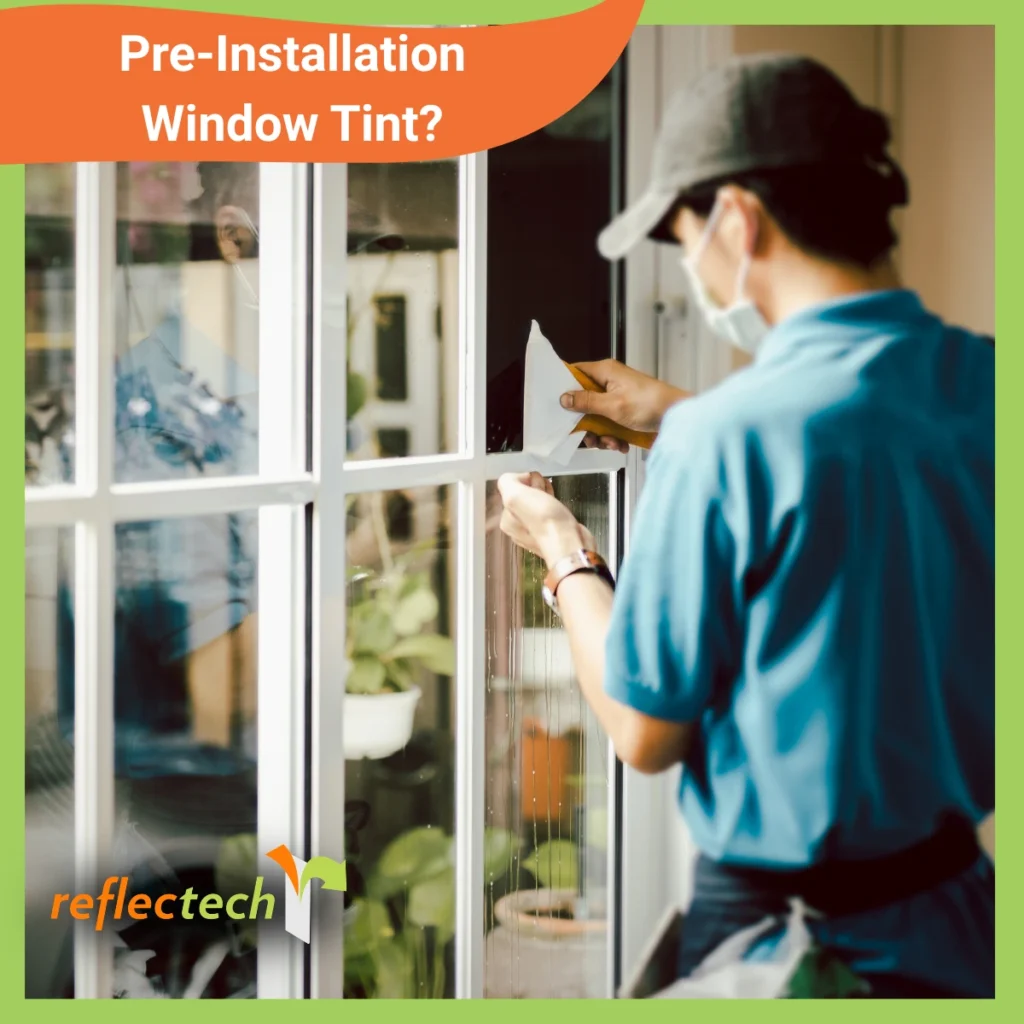
Pre-installation window tinting can save you time and money in a variety of ways. Modern window companies manufacture incredible products for your home today. However, many standard windows still underperform in extreme local climates. When building a new house, you want optimal energy performance. ReflecTech offers a truly ultimate solution for your next renovation through our pre-installation window tinting services. You simply bring your new windows directly to our warehouse. We upgrade the glass safely in our controlled professional facility. You completely skip the usual construction stress and messy disruptions. Our dedicated team ensures perfect results for your project always.

The Magic of a Controlled Paint Booth Environment

Think about painting a beautiful classic car in your driveway. Little winds blow bugs and dirt right into wet paint. You are heavily impacted by unpredictable, frustrating local weather patterns. It becomes impossible if the day turns cold or rainy. Now imagine painting your car in a clean, controlled booth. You eliminate all wind, dust, and annoying bugs completely. It works like absolute magic for a flawless paint job! This exact same logic applies perfectly to premium window tinting.

Smart Homeowners Choose Pre-installation Window Tinting

Many homeowners buy new glass panels for their custom builds. They often wait until after the complete installation finishes up. This delay creates many frustrating problems for everyone involved daily. Contractors walk through your clean living room continuously during work. Tinters bring bulky ladders into your newly finished living space. You can easily avoid this massive mess today with planning. We handle all the dirty work directly at our warehouse. We prep your beautiful new windows inside our pristine facility.

Weather Delays Vanish Easily

Triple pane windows offer incredible insulation for your modern home. However, they usually require exterior grade film installed facing outside. Doing this on a building site invites huge weather problems. We heavily emphasize how our warehouse helps triple pane owners. We work on your triple panes inside our secure warehouse. We control the environment completely for maximum film safety always. You avoid waiting for warm spring weather entirely this way.

Maximize Triple Pane Performance In Our Shop

Window film requires proper warmth to cure securely and perfectly. Cold environments destroy the film adhesive almost instantly upon contact. Our heated shop provides the ideal environment for your glass. We completely eliminate weather delays at our temperature-controlled warehouse facility. The temperature always stays above 10 degrees Celsius safely inside. Your exterior grade film cures securely and rapidly right here. You get amazing, highly efficient windows in the dead winter.

Ideal Conditions for Pre-installation Window Tinting

The NFRC rates window energy performance accurately for all consumers. Film improves these vital energy ratings significantly and incredibly quickly. Outdoor installations face many serious challenges on busy building sites. The weather changes without any warning during the work day. We eliminate these unpredictable problems completely for you right away. We install the exterior film in ideal, clean indoor conditions. Our warehouse stays perfectly climate-controlled all year round for you.

Keep Wind and Dust Away From Your Investment

Wind creates another massive problem for tinters working strictly outdoors. Sudden gusts catch the window film easily and very aggressively. The thin film folds and creases very quickly outside unassisted. Wind also blows dust onto the wet exterior glass surface. This traps dirt between the film and the glass pane. Trapped dirt ruins the beautiful aesthetic completely and permanently. We completely eliminate wind inside our safe, enclosed private facility. Your windows stay perfectly clean, smooth, and absolutely gorgeous always.

Clean Facilities Make Flawless Windows

Dust remains the ultimate enemy of wet window film application. Homes have dust floating everywhere inside during normal daily life. Construction sites create massive dust clouds daily without any fail. Sawdust fills the air constantly during intense home interior renovations. Drywall dust covers every single flat surface in clear sight. You cannot tint cleanly in that incredibly dirty, dusty mess. The dust sticks to the film adhesive immediately and permanently. It creates ugly bubbles under the expensive plastic window film.

Avoid Scaffolding Costs With Pre-installation Window Tinting

Our ReflecTech warehouse stays incredibly clean for our valued customers. We sweep and mop the warehouse floors meticulously every day. We carefully filter the air inside our professional shop space. A clean shop guarantees a perfect product for your home. We wipe down every glass frame meticulously before applying tint. We squeegee every drop of water away perfectly and cleanly. You never worry about trapped dirt particles ruining your views. We apply the premium product in a highly sterile zone.

Vacation Convenience for Your Home Renovation

We completely avoid active construction sites during the tinting process. This amazing warehouse option covers much more than triple panes. Opting for pre-installation window tinting means that having your bathroom shower glass upgraded benefits you immensely too. Standard windows that are not triple pane benefit equally well. We do not demand you use our warehouse exclusively today. We simply present this as an incredibly convenient, stress-free option. You can even go away on a fun, relaxing vacation. We safely install the window film while you travel away.

Protect Your Garage Tools With Reflective Films

Your perfect glass sits ready when you finally get back. Tall houses feature massive, beautiful windows that look stunning structurally. Hard-to-reach windows cause major installation headaches on the actual location. Installers charge huge scaffolding fees for reaching tricky exterior heights. Setting up scaffolding takes hours of difficult, highly dangerous work. You pay for all that extra equipment unless you adapt. You save thousands on scaffolding rental costs doing this indoors. You keep that hard-earned money right in your own pocket.

Security Soars With Pre-installation Window Tinting

Your renovation budget will thank you immensely and very quickly. You completely avoid the danger of high extension ladders outside. We handle the heavy glass safely downstairs for your convenience. Top brands like Llumar architectural films enhance modern glass beautifully. We use these premium products with absolute confidence and pride. Homeowners frequently bring garage windows to us for security upgrades. They want reliable privacy for their expensive garage tools inside. We apply highly reflective privacy film expertly and very smoothly.

Upgrade Office Privacy Without Disrupting Your Team

Neighbors cannot see inside the dark garage at all anymore. Thieves cannot spot your valuable gear easily from the outside. The homeowner takes them back home easily and very safely. They install the perfect, private windows themselves very quickly indeed. Companies like XPEL architectural films make incredible reflective privacy films. We use them for ultimate home security and family privacy. You securely protect your garage from prying neighborhood eyes easily. You effectively protect your valuable personal investments from potential theft.

Zero Interruptions With Pre-installation Window Tinting

Business owners want beautiful, functional office spaces for their staff. Staff members need privacy to work well and focus daily. You buy new glass for the big office renovation project. You want a clean, modern corporate look for visiting clients. We seamlessly apply frost film in our controlled warehouse space. Frost film adds instant elegance and crucial privacy immediately inside. Staff cannot see through the frosted film at all anymore. We finish the work at ReflecTech completely and very efficiently.

Keep Your Staff Working Hard and Focused

You experience zero office interruptions using this incredibly smart method. Your staff keep working productively all day long without noise. We never disrupt your busy workday schedule with construction sounds. Nobody wants workers blocking the busy office hallways during meetings. Brands like SunTek architectural films design beautiful frost films reliably. We completely trust their amazing products for corporate business upgrades. You get a stunning office environment quickly and very quietly.

Commercial Quality Frost Films Enhance Workspaces

Office spaces desperately need good privacy zones for busy employees. Meeting rooms require confidential discussion areas immediately upon facility opening. Clear glass walls offer zero real privacy for anyone inside. Visual distractions ruin employee focus and daily team productivity goals. You buy new glass for the corporate boardroom walls today. We carefully apply a gorgeous frosted privacy layer inside first. It immediately stops people from staring inside private business meetings. This creates a calm, highly focused work environment for everyone.

We Happily Offer On-Site Mobile Installations Too

Home renovations heavily consume your valuable free time every week. Contractors constantly enter your private personal space every single day. You must stay home for the various workers to arrive. Waiting around wastes your precious weekend days entirely and unnecessarily. Premium manufacturers like 3M window solutions create films improving lifestyles. We apply them carefully while you relax elsewhere entirely away. You pick up the glass when it is completely ready. You completely skip the frustrating hassle of strict home appointments.

Choose Pre-installation Window Tinting for Your Project

We love working in our controlled warehouse environment every day. However, we truly love visiting your property too for installations! We happily come to your workspace anytime you need us. We gladly visit your beautiful home today for custom installations. Mobile service remains a fantastic option always for our customers. We help everyone achieve their specific window tinting goals perfectly. We just want you to know all available installation options. Warehouse tinting simply offers incredibly unique benefits for everyone involved.


Post-Installation Bubbles

Four Core Truths About Post-Installation Bubbles

By Frost Film, Security Film, Window FilmNo Comments

Don’t let post-installation bubbles steal your joy after a film installation. Investing in a premium window film installation immediately transforms the comfort, energy efficiency, and aesthetic appeal of your residential or commercial property. Naturally, property owners expect a flawless, crystal-clear sheet of glass the moment the installer packs up their tools. However, in the immediate days and weeks following the application, it is incredibly common to observe a slight, cloudy haze or a scattering of tiny, water-filled pockets clustered near the edges or corners of the glass. These visual anomalies, known as Post-Installation Bubbles, often cause immediate and unnecessary concern for property owners who fear their investment is flawed.

To protect your investment and provide absolute peace of mind, it is essential to understand the complex physical and chemical processes occurring on your glass. The presence of these bubbles is an expected, scientifically necessary, and completely normal part of the standard curing process.

The Science Behind Post-Installation Bubbles and the Active Environment

To understand why bubbles form, we must first look at the fundamental difference between a sterile glass-manufacturing facility and the active environment of your living or working space. When a window is manufactured in a factory, the molten silica is poured and cooled in a highly controlled, vacuum-sealed environment entirely free of dust, fluctuating humidity, and airflow. The resulting pane of glass is as close to perfect as physically possible.

Window film, however, is a high-performance aftermarket product applied in the real world. Your home or office is an active environment filled with circulating air, microscopic airborne particulates, varying temperatures, and shifting humidity levels. During the application process, professional installers use a specialized, slippery mounting solution composed of ultra-filtered water and a mild surfactant. This essential liquid temporarily suspends the window film, neutralizing the heavy-duty adhesive just long enough for the installer to slide the heavy polyester sheet into perfect alignment against the window frame.

Once the film is perfectly positioned, the installer utilizes heavy-duty, professional-grade squeegees, applying immense pressure to push the mounting solution out from between the film and the glass. Despite the installer’s meticulous technique and maximum effort to eliminate all moisture, glass is not perfectly flat at a microscopic level. It contains microscopic peaks and valleys. Tiny amounts of the mounting solution inevitably settle into these microscopic valleys. Because the application occurs in an active environment rather than a controlled factory vacuum, it is physically impossible to extract every single microscopic drop of liquid. This residual moisture pools together to form what you see as Post-Installation Bubbles.

Four Core Truths About Post-Installation Bubbles

Understanding the mechanics of your new window treatment means recognizing that these early visual imperfections are a sign of the film settling, not a sign of failure. Here are the four foundational facts regarding Post-Installation Bubbles:

1. Installers minimize them, but active conditions dictate their appearance A professional installation crew will extract the vast majority of the mounting solution using overlapping squeegee strokes and specialized extraction tools. However, the exact temperature, the humidity in the room, and the microscopic topography of your specific glass panes ultimately dictate how much residual moisture remains. The bubbles are a direct result of these unavoidable, active environmental conditions meeting the liquid-based installation process.

2. They are strictly a temporary transitional phase It is vital to distinguish between permanent air bubbles and temporary water bubbles. An air bubble indicates a critical installation failure, where dirt or trapped air has compromised the adhesive layer—air bubbles will never leave and remain permanently fixed on the glass. The Post-Installation Bubbles you are seeing are purely composed of residual installation fluid. They represent a temporary, transitional phase of the application process. They are holding water, not air, and are entirely temporary.

3. They will dissipate completely as the film cures Premium window films are engineered with highly sophisticated, semi-permeable hard coats. This means the film is designed to breathe on a microscopic level. As the exterior environment and direct solar energy warm your windows throughout the day, the trapped moisture inside those tiny Post-Installation Bubbles begins to heat up. The liquid water transforms into an invisible gas. This vapor then slowly breathes through the porous structure of the polyester window film and escapes into the surrounding atmosphere. As the vapor is released, the bubbles flatten out completely, pulling the film tightly and flawlessly against the glass without any human intervention.

4. They do not impact adhesion, performance, or longevity Perhaps the greatest fear property owners have is that the presence of Post-Installation Bubbles means the film will peel, fall off, or fail to block heat. This is a scientific impossibility. The presence of residual moisture actually facilitates the cross-linking of the adhesive polymers. The slow evaporation process allows the pressure-sensitive adhesive to cure and bond aggressively to the glass surface over time. Furthermore, the film’s active performance properties—such as its ability to reject 99% of ultraviolet rays, reflect solar heat, and reduce harsh glare—are fully operational the exact moment the film touches the glass. The temporary presence of water bubbles has absolutely zero negative effect on the film’s structural integrity or its daily performance capabilities.

Expected Curing Timelines

The amount of time required for the film to fully cure and for all Post-Installation Bubbles to vanish depends heavily on the architectural structure of your windows and the prevailing outdoor weather conditions. Because the evaporation process relies on solar heat, a warm, sunny July afternoon will rapidly accelerate the curing timeline, while a freezing, overcast December week will slow the process down dramatically.

  • Standard Double-Pane Windows: Most modern residential and commercial properties feature double-pane windows, which contain two sheets of glass separated by a spacer. For these standard units, expect the curing phase and the presence of Post-Installation Bubbles to last anywhere from 30 to 60 days.

  • Triple-Pane and High-Efficiency Windows: Highly insulated triple-pane windows, or windows heavily treated with Low-E (low-emissivity) coatings and argon gas fills, are engineered specifically to block the transfer of heat. Because these windows are incredibly efficient at stopping thermal energy, it takes significantly longer for the sun’s warmth to penetrate the glass and heat the trapped moisture behind the film. For these high-efficiency units, a curing phase of 60 or more days is absolutely necessary.

During these periods, the size and frequency of the bubbles will slowly shrink. The curing process requires absolute patience, as the timeline cannot be rushed or bypassed.

Strict Care Protocols During the Curing Phase

To ensure your window film achieves a flawless final appearance and to protect your comprehensive warranty, you must handle the treated glass with extreme care while the adhesive cures. Interfering with the natural evaporation process is the single fastest way to destroy a premium installation. Please adhere strictly to the following protocols regarding Post-Installation Bubbles:

Never Poke, Press, or Squeegee the Bubbles It is incredibly tempting to take a credit card or your finger and attempt to push the annoying bubbles toward the edge of the frame. You must fiercely resist this urge. Pressing on the film while the adhesive is wet will cause the film to slide out of alignment. More importantly, using a needle or pin to pop Post-Installation Bubbles will instantly puncture the polyester material. A puncture creates a permanent hole, destroys the structural integrity of the film, introduces air and dirt into the adhesive layer, and entirely voids your manufacturer warranty forever. The bubbles require absolutely no human assistance to vanish.

Observe the 30-Day Cleaning Embargo Do not attempt to wash, wipe, or dust your treated glass for a minimum of 30 days following the installation. The film is in a highly delicate state as it bonds to the glass. Applying pressure with a towel or squeegee before the adhesive has fully cured will cause the edges to lift and peel.

Avoid Harsh Chemicals Permanently Even after the 30-day curing window has closed and all Post-Installation Bubbles have evaporated, you must rethink how you clean your windows. Never use ammonia-based window cleaners on tinted or filmed glass. Ammonia aggressively breaks down the scratch-resistant hard coat and chemically dissolves the adhesive layer over time, leading to premature fading, purple discoloration, and the eventual failure of the product. Additionally, never use abrasive scrubbing pads, steel wool, or high-pressure washers. Always use a soft, clean microfiber cloth and a gentle, ammonia-free cleaning solution or simple soapy water to maintain your pristine glass.

Evaluating Quality: The IWFA Standard

Because window film is applied in the complex, uncontrolled environment of a lived-in space, the International Window Film Association (IWFA) has established strict, standardized guidelines for evaluating the final quality of an installation. ReflecTech strictly follows and champions these industry rules to ensure absolute fairness and transparency for our clients.

The most critical regulation governed by the IWFA is the 6-Foot Standard. The association mandates that the quality of a window film installation must be judged by standing exactly six feet back from the glass, looking directly through the pane, during normal daylight conditions.

The IWFA governs the judgment of film this way precisely because window film is not glass. It is a flexible, aftermarket polyester product installed over existing architecture in an active environment. If you press your face inches away from the glass to hunt for microscopic specks of dust or meticulously inspect the temporary Post-Installation Bubbles in the deep corners, you are judging the product by the standards of a controlled glass-manufacturing factory, which is a physical impossibility for any aftermarket installation.

The 6-Foot Standard protects both the consumer and the installer by establishing a realistic, real-world metric for success. If the window film looks clear, performs its intended heat-blocking functions, and is free of major defects when viewed from a standard, natural distance of six feet, the installation is officially deemed flawless and successful. The tiny, temporary moisture pockets visible only under microscopic, up-close inspection are to be entirely ignored, as they will naturally resolve themselves through the curing process.

Our professional team at ReflecTech guarantees a magnificent, high-performance window film installation utilizing only the industry’s most premium materials. We understand that navigating the curing phase requires patience, but the long-term rewards—dramatically lower energy bills, elimination of harsh glare, protection against UV fading, and enhanced privacy—are well worth the wait. Should you have any questions or require reassurance as your film breathes, cures, and settles into its final flawless state, our team is always available to discuss the process and ensure your complete satisfaction.

Window Pane Identification

Professional Confidence In a Window Pane Identification Process

By Security Film, Window FilmNo Comments

What You Need to Know When Someone Misdiagnoses Your Windows

When it comes to upgrading your home’s energy efficiency, glare control, and UV protection, successful film installation begins with precise window pane identification. The home improvement industry is filled with incredible innovations that can dramatically improve your living space, but it is also fraught with expensive pitfalls for the uneducated consumer. When you decide to invest in window film, you are making a brilliant choice to protect your furnishings and lower your cooling bills. However, this project requires extreme care, scientific precision, and strict attention to the materials already present in your home. Making the right choice hinges entirely on accurate window pane identification.

Many homeowners face massive property damage today because novice contractors guess their glass type incorrectly. Poor advice leads to broken glass, ruined seals, voided warranties, and thousands of dollars in replacement costs. To protect your expensive home investments, you must understand the critical differences between glass types, the dangers of inexperienced installers, and why correctly pairing the film to the window is the only way to ensure your property remains safe and beautiful for decades.

The Anatomy of Glass: Double-Pane vs. Triple-Pane Windows

To understand why a customized approach is the bedrock of a successful film installation, you must first understand the structural and thermodynamic differences between double-pane and triple-pane windows.

Double-pane windows, technically known as Insulated Glass Units (IGUs), consist of two layers of glass separated by a single spacer bar. The space between these panes is typically filled with an inert gas, such as argon or krypton, which significantly slows the transfer of heat. Double-pane windows are highly effective at insulating your home, but because they only have one internal airspace, they have a certain tolerance for absorbing and dissipating solar heat. When sunlight hits a double-pane window, the outer and inner glass panes can share the thermal load relatively efficiently, allowing the unit to breathe and cool down as the sun moves across the sky.

Triple-pane windows represent a massive leap in energy-efficiency technology, but this efficiency comes with a delicate physical balance. A triple-pane unit features three separate layers of glass, separated by two spacer bars, creating two distinct, sealed airspaces. The critical component here is the middle pane of glass. This center pane is entirely suspended within the window unit, sandwiched between two highly insulating pockets of argon gas. It is completely isolated from the outside ambient air and the inside conditioned air.

Because of this supreme insulation, that middle pane has almost zero ability to cool itself down if it gets hot. If a contractor treats a triple-pane window the same way they treat a double-pane window, the results are almost always catastrophic.

The Deadly Mistake: Interior Film on Triple-Pane Windows

When a window film is applied to glass, it works by either reflecting solar energy away or absorbing it. Many highly effective films absorb a significant amount of heat as part of their solar rejection process. If an amateur skips proper window pane identification and applies a standard, heat-absorbing interior film to a triple-pane window, a dangerous chain reaction begins.

The solar energy passes through the first two panes and hits the interior film. The film absorbs the heat and traps it. Because the middle pane of glass is locked between two insulating layers of gas, the trapped heat has nowhere to escape. The temperature of the center glass pane skyrockets, causing the air inside the sealed unit and the glass itself to expand rapidly.

This creates immense thermal stress. The structural difference between the expanding hot center pane and the cooler outer panes forces the glass to bow and flex. Very quickly, this thermal shock will cause the middle pane to shatter violently, or it will blow out the perimeter seals. Once a seal is compromised, outside moisture immediately enters the airspace between the panes. This creates a permanent, irreversible cloudy or foggy look inside your glass. There is no way to clean or repair a blown seal; you are forced to replace the entire expensive triple-pane unit. The risk of breakage or seal compromise is incredibly high when interior films are carelessly applied to triple-pane glass.

Beware the “Trunk Slammer” and the S20 Epidemic

Unfortunately, the window film industry has a relatively low barrier to entry, which invites a specific type of problematic contractor often referred to as a “trunk slammer.” These are typically new or temporary tint installers, often recruited heavily by large, volume-driven film suppliers who care more about boosting their quarterly material sales than protecting your home.

These novice installers often lack the training required to understand the physics of glass. Instead of carrying a diverse portfolio of films designed for specific structures, they rely on a one-size-fits-all approach. A very common tactic for trunk slammers is slapping “S20” film on absolutely everything. S20 is an industry shorthand for a standard, highly reflective 20% visible light transmission silver film. While S20 is a fantastic, highly efficient product for single-pane commercial buildings or specific double-pane applications, it is an absolute disaster waiting to happen if applied improperly to residential triple-pane glass.

The issue with slapping S20 on every house in the neighborhood is that it simply might not suit your specific needs, your aesthetic goals, or the structural limits of your windows. Furthermore, some competitors will boldly claim to have an “interior solution” for triple-pane windows just to win your business. The reality is that the interior film they are pitching was almost certainly not engineered or rigorously tested for that specific application. Because it is being used off-label, these companies likely will not warranty the installation for very long—if they offer a legitimate, enforceable warranty at all. When the glass inevitably fractures from thermal stress a year down the road, the trunk slammer is nowhere to be found, leaving you with the replacement bill.

The Remote Master: Streamlining Window Pane Identification

You might assume that a contractor needs to spend hours at your property, using complex lasers and gauges to assess your glass. The truth is quite the opposite. True professionals have mastered the art of remote window pane identification. They know their area so well, they have selected window for specific cases and the window specifications they see on a daily basis.

Experienced installers do not need a lengthy site visit to figure out what they are dealing with. True pros can tell the makeup of your windows simply by knowing the age of your home, understanding local building codes, and looking at a few clear pictures. They can expertly guide you through a simple, two-minute process over the phone to get it exactly right. A seasoned expert can even look at a photograph and tell you if your windows have Low-E (low-emissivity) coatings based on the distinct way the glass reflects light.

This matters tremendously because we see misdiagnoses all the time, mostly from newer companies that rely on guessing. These novices simply do not have the experience of paying for an expensive warranty claim—the kind of painful financial lesson that quickly snaps a contractor to attention and teaches them to respect the physics of glass. If you want to know immediately if you are dealing with a seasoned pro, just ask them how they can determine the type of window you have without a site visit. They should confidently reply: “Take a picture and send it to me.”

Don’t Throw the Baby Out with the Bathwater: Interior vs. Exterior

Because of the high-profile failures caused by amateurs breaking triple-pane windows, a new and equally incorrect rumor has started circulating in the industry. Something we hear a lot lately from misinformed contractors is that all window film needs to go on the outside of the house to be safe. This is a classic case of throwing the baby out with the bathwater.

The absolute truth of the matter is that interior application is almost always the best route for affordability and longevity—provided your windows can safely handle it. Interior films are protected from rain, snow, wind, and airborne debris. Because they live inside the controlled climate of your home, a high-quality interior film can easily last 20 to 30 years without degrading (the lifetime of a window). Furthermore, installing film on the inside requires less specialized weatherproofing equipment and labor, making it a highly cost-effective solution for the homeowner.

However, exterior application films are an absolute, non-negotiable necessity for all triple-pane windows, as well as for partially accessible or extremely hard-to-reach windows where interior installation is practically impossible. By applying a specialized, weather-resistant film to the outside of a triple-pane window, the solar energy is rejected before it ever penetrates the first layer of glass. This prevents the heat from ever reaching that highly vulnerable center pane, neutralizing the threat of thermal shock.

Maximizing Design Life Through Accurate Window Pane Identification

The entire goal of a professional window film installation is to keep thermal stress to a strict minimum. Your windows were a massive financial investment, engineered to last for decades. Masterful window pane identification ensures that the correct product is paired with the correct glass, allowing your expensive windows to keep working flawlessly for their entire design life.

Whether your home requires a durable interior film to maximize longevity and affordability on double-pane glass, or a robust exterior film to safely protect your triple-pane units, the science dictates the solution. Proper identification means that you never have to guess if your glass will survive the summer heat. It removes the anxiety from the home improvement process and replaces it with engineered certainty.

Understanding Thermal Stress Management

Thermal stress is the silent killer of modern residential windows. Every time the sun hits your glass, the panes expand. When the sun goes down, they contract. This daily cycle is perfectly normal, and window manufacturers design their units to handle a specific baseline of stress.

When you add window film to the equation, you are altering the thermal dynamics of the glass. A properly selected film will gently augment this cycle, reflecting heat away or absorbing it within safe parameters. An improperly selected film pushes the glass beyond its engineered breaking point. This is why you should never accept a fast, cheap quote without ensuring the installer knows exactly what type of glass they are treating. Education empowers you to ask contractors the right questions and demand professional techniques.

The ReflecTech Difference: Window Pane Identification You Can Trust

At ReflecTech, we refuse to guess with your home. We understand the complex thermodynamics of glass, and we have perfected the art and science of remote window pane identification. We know exactly when an interior film provides the best long-term value, and we know exactly why exterior films are the only safe choice for triple-pane units. We never apply standard trunk-slammer tatics to complex window systems, and we never use products in ways they were not designed to be used.

ReflecTech is so confident in our ability to choose the exact right film for your specific glass that we offer the highest and longest warranty in the business. We protect your home, your windows, and your wallet with scientifically sound solutions designed to last. When you are ready to upgrade your home’s comfort and efficiency without risking your valuable windows, trust the professionals who have the experience, the knowledge, and the warranty to back it up.

Security Film Hack

Make Security Film More Effective With One Insanely Great Trick

By Security FilmNo Comments

Make Security Film More Effective With One Insanely Great Trick

Security film is the answer if your business has experienced break-ins. This common issue frustrates many business owners. Your insurance company notices this pattern. They often take action to protect themselves. For a business, this can mean a direct request.

Your Insurance Company Demands Better Security Film Protection

Insurance companies calculate risk daily. Repeated claims for break-ins signal high risk. These companies lose money with every claim. When your business gets hit again and again, you become a liability.

The insurer might increase your premiums significantly. They might also threaten to cancel your policy. Before that, they often demand you upgrade your premises. They require you to add layers of security.

Implementing better physical defenses is key. You need to delay and deter criminals. This is exactly where specific types of protection shine. Solutions like security film become critical requirements. Learn about general security film benefits.

The Core Solution: Installing Effective Security Film

You have options for window protection. But many businesses choose security film. Security film applies directly to your existing glass. This transforms standard windows into robust barriers. It does not replace the glass. It enhances it significantly.

Security film is a polyester layer. It holds the glass together after it breaks. This prevents quick access through shattered panes. You make the thief work harder. Time is a thief’s enemy. Security film creates the gift of time. Explore the science of security film.

Choosing the Correct Security Film Thickness

Not all security film is the same. Thickness determines its effectiveness and purpose. You choose based on your specific needs. The manufacturer ReflecTech offers various grades for business protection. Their lineup illustrates typical security film capabilities. The different grades of security film offer specific advantages.

7/8M Security Film: Preventing Smash and Grab

This is a very common type of security film. ReflecTech’s 7/8M security film provides excellent protection. It primarily targets smash and grab crimes. These crimes happen in seconds. The criminal breaks the glass and quickly grabs valuables. This thin but tough security film stops quick entry. A thief must strike the window repeatedly. This creates noise and takes much longer. 7/8M security film often buys enough time. It stops the immediate crime. This is a very popular choice for retail. Understand different applications of security film.

10M Security Film: A Step Up in Entry Resistance

Consider ReflecTech’s 10M security film for higher risk. This thickness offers superior entry resistance. The thicker material provides more strength against persistent attacks. However, you must pair it with a full perimeter sealant. Caulking the security film to the window frame is essential. This anchors the security film to the structure. This system ensures the entire window assembly resists being pushed in. Without proper anchoring, a determined thief can still dislodge the pane. 10M security film with caulking is a very solid solution. This is a major improvement over thinner options. Find out about anchoring systems for security film.

14M Security Film: High-Level Blast and Storm Defense

For the highest level of security, use 14M security film. This massive security film is for extreme threats. It resists blasts and major storms. This level of protection is necessary for sensitive locations. Government buildings and high-value target businesses use it. 14M security film requires specialty anchoring systems. These mechanical or wet-glaze solutions are robust. They firmly attach the security film and the glass to the building’s infrastructure. It is the ultimate in window reinforcement. You do not just stick on 14M security film. The installation is complex and specialized. Read about the specifications for high-level security film.

Achieving Cost-Effective Compliance with Security Film

Insurance companies may demand better security. But they do not dictate the exact method. Many find 7/8M security film to be a cost-effective choice. This security film increases the time for entry by 4-5 minutes. That delay is significant. You need that extra time. A standard break-in can happen in seconds. 7/8M security film provides that crucial resistance. But a delay alone is not always enough. A savvy thief knows they can still succeed. You must amplify the delay. You need to pair security film with another system.

The Insanely Great Trick for Security Film Effectiveness

This is the key to maximizing security film effectiveness. It is one insanely great trick. It turns a good solution into an incredible one. It is a simple concept with a powerful impact. You pair security film with glass break sensors. This combination changes everything for a would-be intruder.

Pair Security Film with Glass Break Sensors

Add glass break sensors to your security film installation. Install these devices on or near the windows. This is the absolute best way to make security film more effective. The sensor hears the initial impact on the window. It detects the specific sound frequencies of breaking glass. This happens as soon as a thief attempts to break the window. The sensor then instantly triggers your alarm system. Learn how glass break sensors work.

How an Alarm Starts the Clock for Security Film Breach Attempts

This integration is critical for two main reasons. First, it ensures authorities receive immediate notification. The very first blow to your security film protected glass alerts the system. The monitoring company calls you and the police. The emergency response process starts right then. Second, the audible alarm begins. The thief hears the siren immediately. The loud noise instantly creates panic.

The Critical Clock in a Thief’s Mind and Your Security Film

The immediate alarm starts the “clock” in the thief’s mind. A criminal knows that authorities are now coming. They understand that time is running out. This is a massive psychological advantage for you. It puts immense pressure on the thief.

A thief now faces a fortified window. They are fighting robust security film. And they are doing this while an alarm screams. Every second they spend at your window increases their risk. Most will decide the risk is too high. The security film creates the physical barrier. The alarm creates the mental barrier. Together, security film and glass break sensors create formidable defense.

Security Film alone: A Different Story

Consider a location with only security film. A thief strikes the window. The glass fractures but stays in place. The thief realizes they face security film. They know it will take time to defeat. They will likely not see an alarm sensor. They can see there is no immediate threat. A savvy thief will bank on one thing. The thief thinks, “the clock hasn’t started yet”. This is a very common criminal mindset. The criminal believes no one knows they are there. They might feel they have 10-15 minutes. This confidence is dangerous. They will simply continue wailing away at the security film. With enough time and persistence, they might eventually get through. Security film alone is a valuable delay, but it is not a complete solution.

Combining Security Film and Active Detection

The combination of security film and glass break sensors removes this criminal confidence. There is no doubt. As soon as the thief acts, the world knows. The very first impact is the trigger. The loud siren confirms their mistake. This starts the countdown. The thief must make a split-second decision. “Can I beat the 7/8M security film in under 5 minutes?” “Will the police arrive before I finish?” In most cases, the thief answers “no”. The alarm creates too much risk. The security film creates too much effort. They will likely flee and look for an easier target. This pairing creates a powerful and highly effective system. It is a proactive and reactive approach. You use physical defense from the security film. You use immediate detection from the sensor. It is a smart security combination.

Conclusion on Boosting Security Film Success

Do not just install security film. Maximize its potential. This blog article provided a simple but effective strategy. Follow this one insanely great trick. Use security film and add glass break sensors. This simple combination is insanely great. It gives you immediate detection and persistent physical protection. It turns a valuable delay from security film into a definitive deterrent. Your business gets a major security upgrade. This meets insurance requirements and brings peace of mind. Use security film the right way. Make security film more effective. Pair your security film with an immediate detection system. The results of this security film pairing will astound you.

Security Film Nicer than Bars

Rewards of Security Film: Glass, Your Targeted Vulnerability

By Security FilmNo Comments

Glass is everywhere. It covers our skyscrapers and lines our streets. It creates beautiful, open spaces. But glass creates risk. It breaks easily. It offers zero resistance to force. Criminals see this opportunity. They look for the easiest entry point. Windows provide that path. You need a solution. You need to harden your perimeter. The answer lies in advanced protective technology. Security film is the upgrade your building needs.

Why Property Owners Choose Security Film

Crime does not sleep. Burglars constantly refine their methods. They look for quick access. Unprotected glass grants them their wish. One brick shatters a standard pane. The noise is brief. The entry is immediate. This leaves your assets exposed. It puts occupants in danger. You must change this dynamic immediately.

Installing a protective layer strengthens the glass. It reinforces the weakest link in your building. The material applies directly to the surface. It bonds tightly. This creates a formidable barrier. The glass may crack under impact. However, it does not vacate the frame. The barrier holds the shards together. Access is denied. The criminal faces an unexpected obstacle. They cannot simply step inside. This upgrade transforms your vulnerability into strength.

The Mechanics Behind the Protection

How does a thin sheet stop a hammer? The science relies on tensile strength. Manufacturers use heavy-duty polyester. They bond multiple layers together. This lamination process creates resilience. Strong adhesives attach the product to the glass. The bond becomes permanent after a curing period.

Impact energy disperses across the surface. The material stretches to absorb the shock. It refuses to tear. This keeps the window intact even when shattered. You can view this engineering on manufacturer websites. Industry leaders like 3M showcase the science behind their solutions. The technology turns a fragile pane into a composite shield. It remains clear and invisible. It works silently until you need it.

The Critical “3-Minute Delay” Factor

Thieves rely on speed. They want to grab loot and leave. Seconds matter to them. Security experts emphasize the “3-Minute Delay.” This concept is vital. You do not need an unbreakable window. You need a window that fights back.

This laminate creates that fight. An intruder strikes the glass. It cracks but stays effectively solid. They strike again. The barrier holds. They panic. The noise continues. Time slips away.

Most criminals abandon their attempt within sixty seconds. This product forces them to work past that limit. It buys time for police to arrive. It buys time for you to reach safety. The thief realizes the risk is too high. They retreat. The system worked. It denied entry.

Security Film Versus the Sledgehammer Test

Visualizing the strength of the product helps. Imagine a sledgehammer hitting your storefront. Standard glass explodes inward. Dangerous shards fly everywhere. Now, imagine the same hit with protection installed. The glass crunches. It makes a distinct sound. However, the hammer bounces back. The opening remains sealed.

The attacker must now cut through the material. This requires specialized tools. Most opportunistic burglars lack these tools. They bring hammers, not saws. This defeat frustrates them. Madico details their rigorous impact testing standards online. These tests prove the material’s durability. It withstands bricks, bats, and bars. It creates a deterrent that actually works.

Safety vs. Security: A Dual Benefit

You face threats beyond burglary. Accidents happen daily. Storms strike without warning. This solution addresses both problems. We call this the “Safety vs. Security” advantage. You install one product. You gain protection against multiple hazards. It works 24/7 without batteries.

Preventing Injury with Security Film

Broken glass causes severe injuries. A child might run into a patio door. An employee might trip near a window. In these scenarios, flying glass acts like shrapnel. It causes deep lacerations. It can damage eyes.

This protective layer acts as a safety net. It captures the broken pieces. The glass breaks, but it stays safe. No sharp edges fall to the floor. No dangerous debris flies through the air. This significantly reduces liability. LLumar highlights this injury prevention capability clearly. Cleanup becomes simple. You remove the entire pane as one piece. You avoid picking tiny shards out of the carpet.

Defending Against Severe Weather

Nature wields immense power. High winds turn landscaping rocks into missiles. A broken window during a storm is catastrophic. Wind enters the building. Pressure builds up inside. This pressure can blow the roof off. Rain destroys the interior.

This barrier maintains the building’s envelope. It stops debris from penetrating the glass. Even if the window cracks, the weather stays outside. The interior remains dry. The structure remains sound. Solar Gard explains their Armorcoat technology for hurricane zones. This protection is always active. You do not need to close shutters. You do not need to install plywood. The shield is always there.

The Hidden ROI of Security Film

Budgets matter. Property owners watch every dollar. This investment offers a high return. Replacing a smashed window costs a fortune. Replacing stolen inventory costs more. Business downtime is expensive.

Stopping just one break-in pays for the installation. The numbers make sense. But the savings go deeper. This material often includes solar benefits. It blocks UV rays. It reduces solar heat gain. This lowers your monthly energy bills. It prevents furniture from fading. You save money on cooling. You save money on asset replacement. Avery Dennison outlines these multi-functional benefits on their site.

Comparing Costs: Films vs. Bars

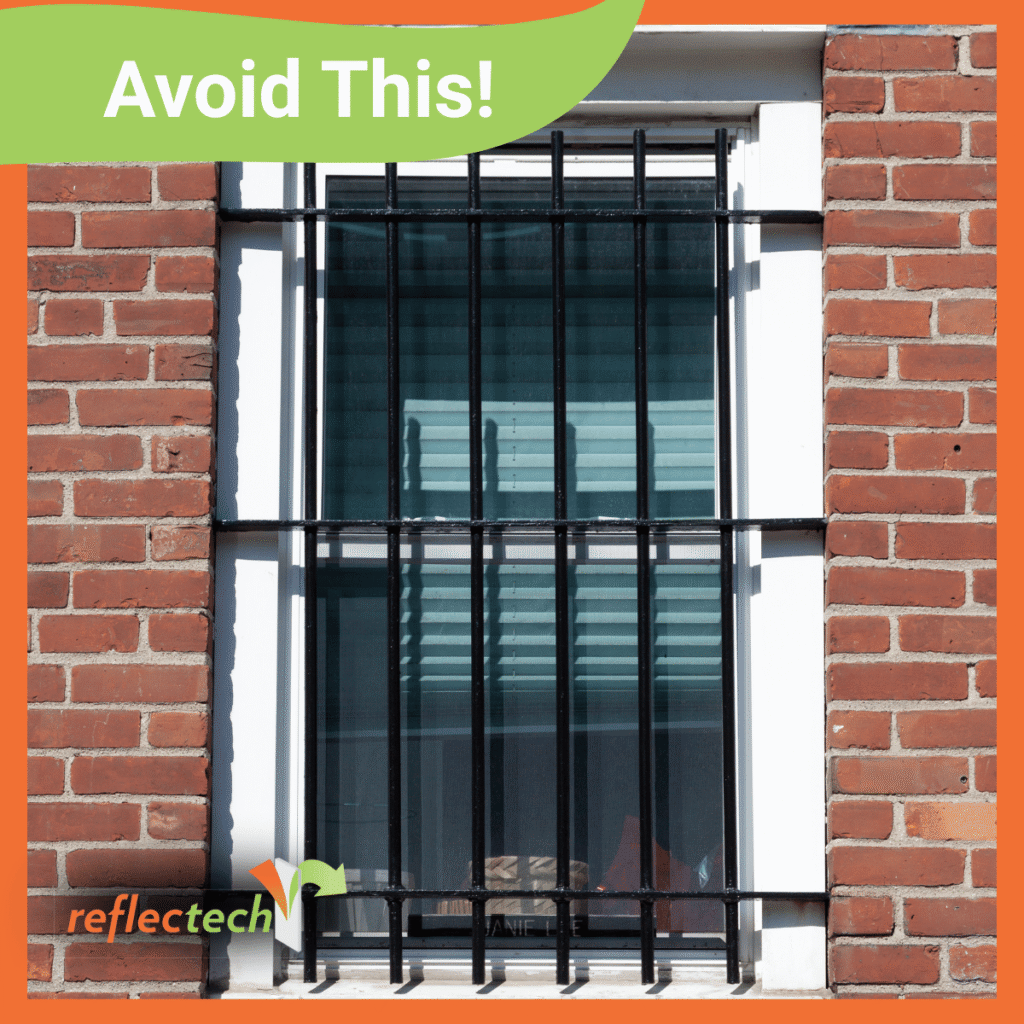
Many owners consider metal bars. Bars send the wrong message. They look aggressive. They lower property value. They also cost a significant amount. We recently worked with a local client. They needed a solution for their storefront. A metalworker quoted them triple the price for bars.

They contacted us for an alternative. We proposed this high-strength laminate. The cost was significantly lower. It saved them thousands. They kept their inviting storefront. Customers can still see inside. The shop looks open and safe. Metal bars drive people away. This solution welcomes them in. It protects without projecting fear.

Lowering Insurance Premiums with Security Film

Insurance companies assess risk. High security means lower risk. Lower risk often means lower premiums. Talk to your insurance agent. Ask about discounts for safety glazing.

Installing this product proves you take safety seriously. It upgrades your glass to meet higher standards. Many insurers reward this proactive step. The discount increases your ROI. The system pays you back over time. It creates a financial win-win scenario.

Installation and Anchoring Systems

Performance depends on installation. You need a professional team. They clean the glass thoroughly. They remove every speck of dust. They cut the material to precise measurements. They apply the mounting solution. They squeegee out the liquid.

Why Security Film Requires Anchoring

The adhesive is strong. However, extreme force can push the entire pane out. The glass breaks, but the sheet moves as one unit. Anchoring systems prevent this. We attach the laminate to the window frame. We use structural silicone or mechanical battens.

This locks the glass into the building. The intruder beats against the frame itself. The barrier cannot give way. Hanita Coatings describes these essential attachment systems for maximum security. Always ask for an attachment system. It upgrades the rating of the installation. It ensures the system performs at its peak.

Selecting the Right Product

Not all laminates perform the same. You have choices. You must select the right thickness. Options range from thin safety layers to thick defensive shields. Thickness is measured in mils. One mil equals one-thousandth of an inch.

Standard safety options start at 4 mil. This handles basic impact. 8 mil serves as the standard for security. It resists forced entry attempts. 14 mil offers heavy-duty protection. It resists extreme force. Thicker material means more stiffness. It offers more protection.

Consult a professional expert. They assess your specific threats. They recommend the correct thickness. They check your glass type. Some glass requires specific film types. Thermal stress is a factor. Compatibility ensures longevity.

Conclusion: Secure Your Vulnerability

Glass is your targeted weakness. You have the power to fix it. We explored the rewards of security film. You understand the protection it offers. You see the financial logic. It beats the cost of bars. It prevents injury. It deters crime.

Do not wait for a disaster. Act before the glass breaks. Strengthen your home. Fortify your business. This technology is proven. It is effective. It is affordable. Take the next step for your safety. Contact a professional today. Request a comprehensive assessment. Transform your glass into a shield.

Security Film Enhances Home and Office

Hidden, Better Security Film For Homes And Workplaces

By Security FilmNo Comments

Security film on home and workplace glass enhances security and increases safety. Glass breaks in smash-and-grab break-ins every day. Windows shatter, belongings vanish, buildings sustain damage. You need protection against those sudden threats. A strong solution lies in using security film. This article explores how security film improves safety. It shows real statistics in Edmonton. It explains how security film works. It guides you in choosing the level of film and pairing it with other security measures.


Edmonton Smash-and-Grab Risks: Local Statistics

Edmonton faces growing risk from glass-smash break-ins. Commercial stores suffer from many incidents. Homes also endure break-and-enters. One recent series hit beauty supply stores multiple times. A suspect broke in 35 times from March to June 2025. Police estimate losses between $70,000 and $80,000 in stolen goods. Edmonton Police Service

Small businesses feel the impact too. In one building in west Edmonton, two break-ins within ten days left owners reeling (CityNews Edmonton). Condo and apartment towers in central Edmonton saw thefts across several units after suspects marked doorframes with glue (CityNews Edmonton).

In Alberta RCMP jurisdictions, there were 4,516 reports of break-and-enters to businesses in 2023. The summer months saw among the highest numbers (Royal Canadian Mounted Police). Nearly half of small businesses in Alberta say crime and safety issues affected them in 2024, up from about 24% in 2023 to 45% (Global News).

It is no wonder security is a growing concern. Often, thieves smash windows or doors. Glass doors, or the windows next to the door, door lights, are the target. They create easy entry, next to the lock. They break the glass to get inside. These break-ins happen frequently enough in Edmonton that they merit serious prevention.


How Security Film Helps Against Smash-and-Grab Incidents

What security film does

Security film holds glass together even if someone shatters it. The film adheres to glass surfaces. It prevents shards from flying everywhere. Intruders cannot simply push through broken glass. The barrier slows them down.

That extra time frustrates smash-and-grab thieves. It gives you more time to capture them on camera, trigger an alarm, or get help. Security film does not stop impact entirely. It prevents immediate collapse. And the chaos that follows with a hole to the outside elements.

Why combining security film with other security measures matters

Security film works best when included in a wider security plan. Doorbell or security cameras let you monitor entrances. Alarms warn when glass breaks. Motion sensors detect movement. Good lighting deters thieves before they reach windows or glass doors.

Security film ensures your building won’t be entered without significant effort. But cameras, alarms, locks, security film together multiply protection. One without the others leaves weak spots.

The goal is to instill panic in a would-be thief, so they will leave the scene entirely.


Choosing the Right Security Film

Different levels of security film are available

Security film comes in multiple thicknesses and strength levels. Some films resist mild impacts. Others withstand powerful impacts, like bomb blasts. Choose a level and budget suited to your risk environment.

The most popular option remains 7/8 mil film. It balances clarity, strength, and cost. A 7/8 mil film gives enough tear-resistance for many break-in attempts. It resists ordinary hits and slow force applied to the glass. It doesn’t require strengthening frames or unsightly additional caulking or fixtures.

Invisible protection and cosmetic benefits

Good security film stays nearly invisible. It keeps the original look of your windows. It does not change appearance noticeably. It does not discolor. It offers UV protection so interior finishes and furniture won’t fade. It preserves your view, your design, your light.

If glare or heat becomes an issue, you can add tint or frost on the other side of the windows. That lets you control sunlight or privacy without sacrificing the benefits of security film.


Installing Security Film: Best Practices

Where to apply security film

Apply security film on windows at street level and glass doors. Cover display windows in shops. Use it on side or rear windows that criminals might access. Also use on glass panes in doors or sidelights. Apartment common area glass and vehicle-facing glass should be considered as well.

How to ensure effectiveness

ReflecTech use quality film from a reputable supplier. Install properly. Use strong adhesive. Make sure edges are sealed and film is bonded well to frame. If film-plus-laminate layers exist, use correct thickness. If framing is weak, reinforce framing too.

Regularly inspect film condition. Replace if peeling, bubbling, or damaged. Maintain visibility through clean film. Clean with manufacturer-recommended methods so you don’t damage it.


Hidden Security Film Features That Benefit Homes and Workplaces

Protection from UV damage

Security film blocks UV rays. That protects your furniture, carpets, and artwork. It prevents fading of fabrics and finishes. Security film helps preserve interior finishes, especially near windows with sun exposure.

Nearly invisible protection

Because security film remains clear, people rarely notice it. It doesn’t blur the glass. It doesn’t change color. Architects, business owners, and homeowners can preserve aesthetic appeal. The windows look normal, but have enhanced protection and safety.

Adding Glare and Sun Control to Security Film

If sunshine creates glare or heat, you can add tinted or frosted film over security film. Security film must be the layer closest to the glass. Directly on the glass. Frost, tint, and perforated film can be added over the security film.

Security film is always applied to the interior panes. If your windows already have tint or frost on the inside, ReflecTech can remove them. After the security film is installed, we are able to replace the other layers (frost and tint). However, if you have tint, frost or graphics on the exterior, they don’t need to be touched.

You gain the look on your home or business that you desire, with the benefit of enhanced protection, security and safety.


Why Homes Need Security Film Too

Homes suffer break-ins often

Residential break-ins occur often in Edmonton. People leave windows unlocked or ignore glass vulnerabilities. Thieves break glass, unlock the door from inside. Sometimes they smash windows and reach in. Or climb through sliding glass doors.

Residents report apartment thefts after units lie vacant or lightly secured. In central Edmonton, multiple unit break-ins have appeared in recent summer series. (CityNews Edmonton)

Homes with large glass surfaces (patio doors, large windows) experience more risk. Thieves find those easier to access. Every glass surface becomes a potential weak point.

Homes combine security film with other safety measures

Security film on home windows plus security cameras, alarms, doorbell cameras, strong locks protect well. Lighting helps. Neighborhood watch programs help too. Security film makes a big difference by preventing instant access. That forces intruders to put in more effort. Often enough effort to scare them off or alert others.


Why Workplaces Should Use Security Film

Business break-ins cost heavily

Businesses in Edmonton lost tens of thousands in store merchandise in break-enter thefts. One suspect stole $70-80k in beauty supply store goods after multiple glass-smash entries. Edmonton Police Service Business owners repair shattered windows or doors repeatedly. They lose business during repairs and after break-ins. They face insurance premium hikes. CityNews Edmonton

Maintaining image and safety

Workplaces benefit from clean, intact appearance. Broken windows send poor message. They reduce customer confidence. They invite more vandalism. Security film keeps glass together even when smashed. That means less risk of shards falling, less injury, faster cleanup. The building appearance stays better until repaired.

Also protects interior finishes and furniture from UV damage.


Common Myths About Security Film

MythReality
Security film looks ugly or obviousThe film remains nearly invisible. You won’t notice it unless you look very closely.
Security film alone stops all forced entryFilm slows entry. Combined with locks, alarms, cameras, it blocks most smash-and-grabs. But film alone cannot always resist sustained or heavy mechanical attack.
Security film discolors glassHigh-quality film, especially around 7 mil thickness, includes UV block so it does not discolor glass or interior finishes.
Security film will fix weak frames

Security film can stop bullets

Film adheres to glass. It does not strengthen the frame itself. You must ensure the frame and mounting are solid.

Security film can not stop bullets; for that, you require bulletproof glass.


How to Be Proactive: Steps Ahead

  1. Assess risk in your location. Identify windows or glass doors exposed to the highest risk.

  2. Choose a film level such as the popular 7 mil security film.

  3. Combine with other security tools. Install cameras, alarms, motion detection, and lighting. Use strong locks. Secure frames.

  4. Maintain everything. Test alarms, inspect windows, and fix frame damage. Recalibrate cameras.

  5. Train occupants or staff. Teach people to lock doors, shut windows, and respond to alarms. Make security part of daily routines.


Security Film Installation Experts

ReflecTech security film installations have been protecting homes and workplaces for 30+ years. Security film keeps glass together after impact. It slows smash-and-grab criminals. It reduces damage, injury, and loss. In Edmonton, break-and-enter events, especially those broken by glass smash-ins, happen often enough to demand preventive action.

Use the most popular 7/8 mil film. It provides UV protection. It remains nearly invisible. Add tint or frost if heat or glare bothers you. Pair security film with cameras, alarms, and lighting. That combined approach ensures high safety with minimal change to appearance. You can sleep more easily. Your building stays safer.