
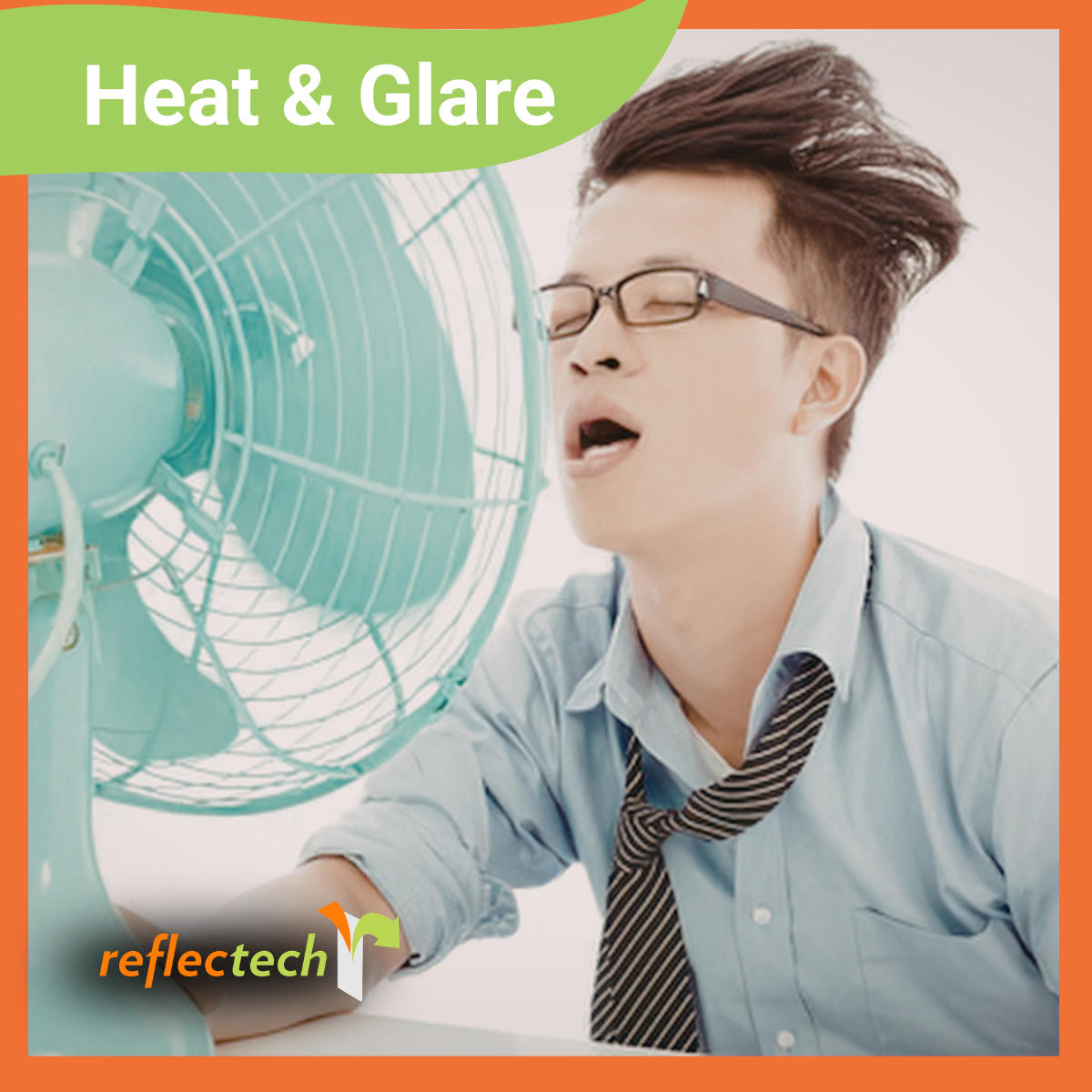
Heat & glare in your office can make concentrating a nightmare. Working from home transformed from a temporary convenience into a permanent lifestyle for millions of professionals, but this massive cultural shift exposed a significant flaw in modern residential architecture: most homes were never engineered to serve as full-time corporate workspaces.
This reality became nearly impossible for our client to navigate. After investing heavily in a dedicated home office, he quickly discovered that intense solar heat buildup had completely ruined the environment. Facing extreme room temperatures and blinding screen reflection, his dream workspace evolved into a daily nightmare. Light-induced nausea, severe eye strain, and relentless dizziness forced him out of the room daily. He desperately needed a high-performance, architectural-grade solution to restore his space. By installing premium architectural solar control reflective film, we eliminated the crippling temperature spikes and restored his physical comfort completely, while delivering robust one-way daytime privacy as a highly valued bonus.
The Challenge to Beat Heat & Glare
Direct, unfiltered sun exposure effectively turned the client’s office into an uninhabitable hot zone. Modern homes often feature expansive architectural glass, which provides beautiful aesthetics but acts as a magnifying glass for raw solar energy. Room temperatures spiked to deeply uncomfortable, unmanageable levels during peak afternoon hours. This forced the home’s HVAC system to work overtime, inflating utility bills with little to no effect on the localized temperature of that specific room.
The combination of harsh, washed-out screen visibility and intense, penetrating infrared heat caused genuine physical distress. Glare is not just a visual nuisance; it forces the ciliary muscles in the human eye to constantly micro-adjust to extreme differences in contrast between a bright window and a backlit computer monitor. This constant muscular exertion leads rapidly to visual fatigue and tension headaches. Furthermore, unmitigated infrared heat creates a stifling microclimate, elevating the occupant’s core body temperature and leading to rapid dehydration.
Consequently, the client felt chronically overheated, suffered from frequent dizzy spells, experienced light-triggered nausea, and battled severe lethargy by midday. Because of the extreme thermal conditions created by the unprotected glass, he could only use his office for short, twenty-minute intervals before having to retreat to a darker, cooler part of the house. This severe thermal limitation drastically impacted his daily work productivity, breaking his focus and constantly interrupting virtual meetings.
Furthermore, the large, unprotected windows left his workspace completely exposed to the outside world. Neighbors, delivery personnel, and casual passersby could easily observe his private daily activities, creating a “fishbowl” effect that added psychological discomfort to his physical distress. A comprehensive, engineered intervention was required to combat these cascading issues.
The Solution to Beat Heat & Glare: Solar Control Film
To reclaim the workspace, we selected a premium dual-reflective solar control film tailored specifically for this demanding project. Traditional dyed window tints often fail in architectural applications because they merely absorb solar energy, effectively turning the glass pane into a secondary radiator. Instead, advanced dual-reflective technology utilizes microscopic layers of precision-sputtered metals. This highly engineered film features a reflective exterior layer to actively bounce solar energy away from the glass, coupled with a less reflective interior layer that preserves crisp, clear views out into the neighborhood without acting like a mirror at night.
First and foremost, this material rejects the vast majority of incoming solar heat energy across the electromagnetic spectrum before it can penetrate the glass and heat the ambient air inside the room. Extensive laboratory data from Eastman Performance Films confirms this robust heat rejection capability, demonstrating how specialized films can block massive amounts of heat-inducing infrared radiation. By preventing solar heat gain at the building envelope, the film balances room temperatures naturally. It creates a comfortable environment without overburdening the air conditioning system.
Beyond vital temperature control, the film cuts down harsh screen reflection with incredible efficiency. Before the installation, the client struggled to decipher spreadsheets and emails. Afterward, monitors remain clear, vibrant, and incredibly easy to read without causing asthenopia (eye strain). Comprehensive research from Avery Dennison Window Films highlights the excellent interior glare reduction achieved by applying these specialized films to residential glass, filtering out the harsh, blinding wavelengths of visible light while allowing the “good,” diffused daylight to safely illuminate the room.
Privacy was also completely revolutionized by this installation. An exterior mirrored finish prevents outside eyes from looking inside during daylight hours. You preserve high-definition outward views while enjoying absolute daytime privacy, allowing you to work confidently without feeling watched. Finally, the material rejects up to 99.9% of harmful ultraviolet (UV) radiation completely. As noted by Solar Gard Architectural Films, this superior UV blocking capability perfectly protects costly office furnishings, hardwood floors, window treatments, and artwork, preventing the irreversible fading and sun-bleaching that typically ruins interior decor over time.
5 Easy Steps to Beat Heat & Glare
You can easily upgrade your own home office workspace and eliminate the miserable side effects of uncontrolled sunlight. The process is straightforward, minimally invasive, and highly cost-effective compared to replacing windows outright or installing heavy, dust-gathering blackout drapery. Follow this simple, proven workflow before scheduling a professional installation project.
Step 1: Determine If Windows Are Double Or Triple Pane
Before contacting a professional, inspect your office glass to identify its structural construction type. Adding solar film to insulated glass units (IGUs) changes the thermal energy behavior of the window. When film absorbs or reflects heat, the temperature of the glass pane itself fluctuates. If the wrong type of film chemistry is applied to a dual-pane or triple-pane window, it can cause severe thermal stress, potentially leading to premature seal failure or spontaneous glass breakage. Industry experts and technical engineers at Madico Window Films stress the absolute necessity of matching the specific film specifications to your exact glass type. Look closely at the inside edge of your window frame; an aluminum or warm-edge spacer separating two distinct layers of glass indicates you have insulated windows.
Step 2: Measure the Pane Width x Height
Next, measure the daylight glass area using a standard steel tape measure. You only need to measure the visible glass itself, stopping precisely where the glass meets the window frame or rubber gasket. Record the exact width and height dimensions in inches for every single pane in the room, keeping in mind that small transom windows or side-lights must also be accounted for. Accurate dimensions help professionals estimate material usage, calculate the exact square footage required, and provide you with highly accurate preliminary costs without having to conduct an immediate on-site visit.
Step 3: Call an Experienced Installer to Beat Heat & Glare
Contact professional architectural window film specialists in your specific region. Not all tinting businesses are created equal; you must look for companies that specialize exclusively in residential and commercial flat-glass applications rather than automotive tinting. Expert technicians understand regional thermal stresses, local building codes, and strict glass compatibility guidelines. A seasoned professional will ask about your specific pain points, the cardinal direction your windows face (south and west-facing windows typically require the most aggressive heat rejection), and your ultimate architectural goals for the space.
Step 4: Verify Their Service on Google Reviews
Thoroughly research local company reputation before booking an in-home site consultation or paying any deposits. Check online business profiles to review customer rating scores and read detailed feedback from past residential clients. High star ratings, combined with recent, specific reviews about home office installations, confirm reliable workmanship, ethical pricing, and punctual service. Pay close attention to how the company responds to negative reviews, as this indicates their commitment to customer service and long-term warranty fulfillment. Renowned manufacturers like LLumar provide highly helpful industry guides on selecting certified, factory-authorized professional film installers, ensuring you partner with a dealer who provides fully backed manufacturer warranties.
Step 5: Call and Get a Quote to Beat Heat & Glare
Contact your shortlisted top-rated installation specialists to request a tailored estimate. Share your exact glass pane measurements, your window type, and your specific goals during the initial phone call. Because you have already gathered this critical information, the estimator can often provide a highly accurate rough quote immediately. An upfront proposal helps you evaluate your budget and schedule your project confidently. Once the quote is approved, the physical installation is surprisingly fast, often taking only a few hours. The process leaves you with zero construction dust, no structural modifications, and immediate, lasting relief from the sun.
The Results & Impact
The physical and functional transformation of the client’s home office was immediate and profound. The moment the dual-reflective film was squeegeed onto the glass, the harsh, blinding light was instantly subdued, replaced by a soft, manageable, and highly functional ambient glow. The ambient room temperature stabilized within hours, allowing the home’s thermostat to finally cycle off. The severe physical symptoms that had previously driven the client out of the room—the dizzy spells, the heat exhaustion, and the visual fatigue—were completely eradicated.
The space evolved overnight from an unusable, sweltering glass box into a fully optimized, executive-level home office. The client could finally participate in daily video conferences without squinting, read complex data without leaning into the monitor, and work a full shift without experiencing thermal fatigue.
| Metric | Before Film Installation | After Film Installation |
| Room Temperature | Uncontrolled, extreme heat spikes during sunny afternoon hours. | Consistently cool, highly stable indoor environment without HVAC strain. |
| Physical Comfort | Chronic overheating, frequent dizzy spells, and light-triggered nausea. | Complete physical comfort, zero eye strain, and full-day productivity. |
| Workspace Usability | Functionally unusable past maximum twenty-minute working sessions. | Fully functional, highly optimized remote workspace accessible all day long. |
| Daytime Privacy | Clear interior views heavily visible from the outside street and neighbors. | One-way exterior mirror effect for absolute daytime privacy and security. |
Client Testimonial to Beat Heat & Glare
“Working from home was supposed to be a massive upgrade to my work-life balance, but my office was basically a greenhouse. I constantly got dizzy and severely overheated before the installation. I could not sit at my desk for twenty minutes without feeling physically ill from the sheer intensity of the sun pouring through my windows. Now, my office stays perfectly cool and my screens remain incredibly clear, no matter what time of day it is or how bright it is outside. I can actually focus on my work all day long without fighting a headache. Plus, I absolutely love the extra daytime privacy! I don’t have to hide behind drawn curtains anymore.”
— Home Office Client
Addressing environmental stressors in a home workspace is not merely a matter of luxury; it is a fundamental requirement for sustaining long-term health, focus, and professional output. By implementing engineered solar control solutions, professionals can definitively reclaim their environments, transforming compromised rooms into highly productive, secure, and comfortable spaces year-round.
