Insider Tips You Need After Window Film Installation
Essential Window Film Tips For You
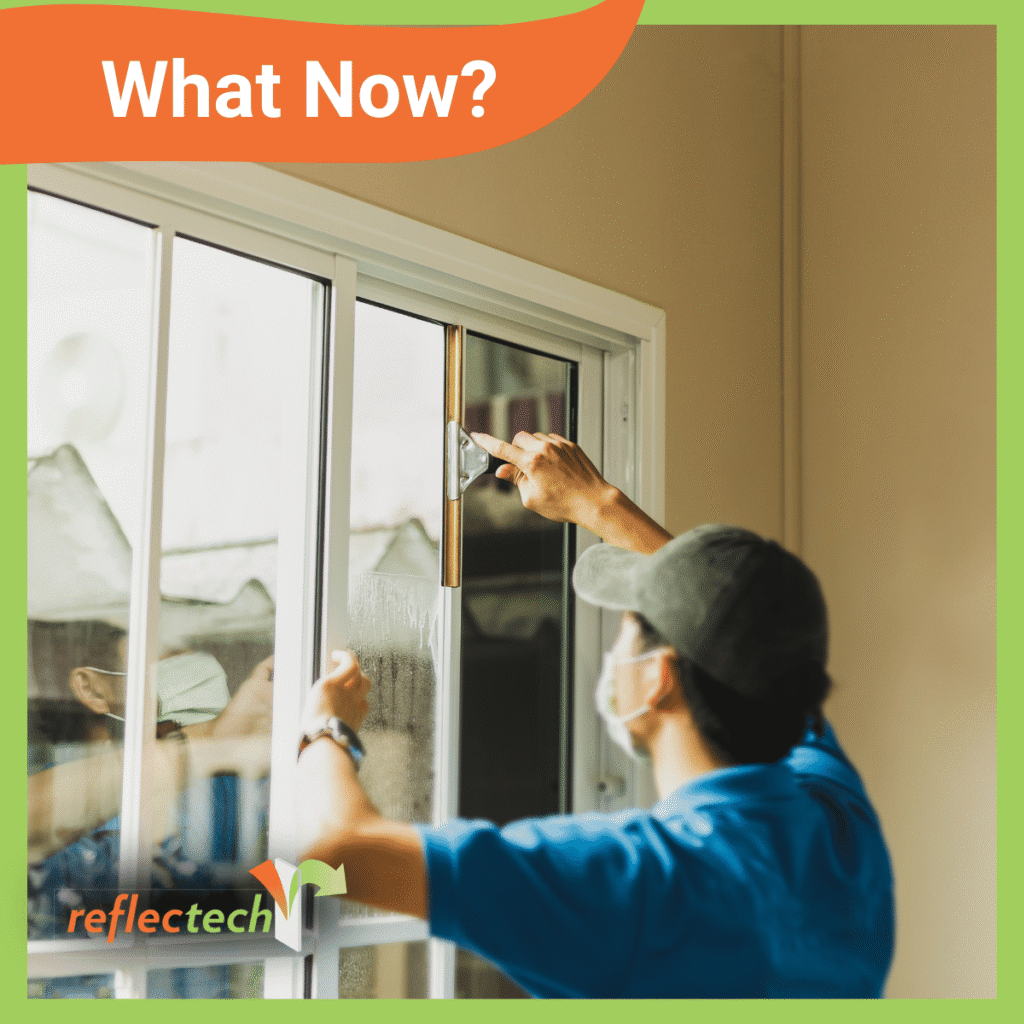
You just purchased a brilliant window film installation upgrade for your property. Congratulations on making this smart investment today. New window film adds immense energy efficiency to any building. Many property owners expect instant perfection immediately. However, your new film requires a specific curing period. Professional installers apply film using a liquid solution. This water helps installers slide your window film perfectly. Installers squeegee the window film firmly against the glass. Some moisture naturally remains trapped behind the window film. This moisture affects your window film visual clarity temporarily. Do not panic when you see window film bubbles. We will explain the normal window film curing process. We want your window film journey to succeed beautifully. Protect your window film investment by reading these facts. Proper window film knowledge prevents accidental damage to glass. Let your window film settle completely before taking action. Your window film will look absolutely incredible very soon. Understanding window film behavior gives you complete peace of mind. Give your window film the necessary time it needs.
The Curing Phase: What Is Normal After Film Installation?
Curing represents the vital window film drying time. Water must evaporate completely through the window film layers. Only then does your window film reach full clarity. During this phase, window film looks slightly cloudy. You might notice distinct water pockets under the window film. These bubbles look like window film installation defects initially. They absolutely do not indicate bad window film application. The window film breathes naturally during this evaporation phase. Moisture escapes slowly through the porous window film exterior. Direct sunlight speeds up the window film drying process. Warm weather helps the window film cure much faster. Cold climates severely delay window film curing times. Do not touch your window film during this period. Pushing bubbles ruins the delicate window film adhesive completely. You will damage your window film permanently with fingers. Let the window film heal without any human interference. Wait patiently for your window film to dry completely. Every window film installation requires this essential healing time. Most window film clears completely within thirty days. Heavy safety window film might need significantly more time. Give your window film adequate time to breathe properly.
Understanding Your Window Film Adhesive
Installers use special liquids to create strong window film bonds. This liquid secures the window film to your glass. The adhesive cross-links chemically with the window film pores. This chemical reaction locks the window film permanently. You cannot rush this window film chemical bonding safely. Different materials use entirely different window film adhesive formulas. Thick safety window film features very heavy adhesive layers. This thick window film naturally takes longer to cure. Standard solar window film uses much thinner adhesive formulations. Thin window film dries much more quickly in sunlight. You must let window film adhesives dry fully before cleaning. Disturbing the glass breaks the window film bond instantly. Solar heat activates the window film glue effectively. Sunlight bakes the window film safely onto the glass. You will notice window film clarity improving every day. Trust the complex window film adhesive chemistry completely. Excellent window film performance depends on this initial bond. Your window film will look absolutely flawless very soon. Window film technology provides remarkable long-term durability overall. Protect your window film by exercising extreme patience now.
Double-Pane vs. Triple-Pane Windows: Why Cure Times Differ
Glass construction directly impacts your window film drying timeline. Double-pane windows hold two separate sheets behind the window film. They insulate your home effectively behind the tinted window film. Triple-pane windows feature three distinct layers near the window film. This extra layer changes window film drying times drastically. Multiple panes trap cooler air near the inner window film. Cold glass slows down the window film moisture evaporation. Therefore, window film on triple-pane glass cures much more slowly. Double-pane glass warms up faster for the window film. Consequently, window film on double panes dries significantly quicker. Energy-efficient windows reflect solar heat away from the window film. This reflection cools the inner window film surface considerably. Cooler window film temperatures always mean extended curing periods. You must evaluate your glass before setting window film expectations. Heavy winter insulation inevitably delays the final window film clarity. Expect much longer waits for window film on triple-pane units. You cannot change basic thermodynamics affecting your window film. Give your newly tinted window film some extra time. The hazy window film will eventually clear completely with patience. We promise your window film results remain worth waiting for.
Daily Window Film Maintenance Basics
Regular maintenance ensures a productive window film lifespan. Proper care keeps your window film looking brand new. You must memorize these simple window film maintenance rules. First, give the window film a thirty-day grace period. Never attempt to clean window film before thirty days. Cleaning wet window film causes irreversible permanent damage immediately. You might easily peel the delicate window film edges. Once completely dry, window film requires very gentle cleaning. Treat window film like an expensive pair of glasses. Rough handling scratches the protective window film layers easily. Always use soft materials on the tinted window film. Premium microfiber towels protect the window film beautifully. Rough paper towels scratch the microscopic window film top layers. Throw away abrasive kitchen sponges near the window film. Your window film deserves premium care tools and techniques. Follow these window film maintenance instructions carefully always. Excellent maintenance preserves your valuable window film manufacturer warranty. Keep your window film sparkling safely with these methods. Window film care requires minimal effort but maximum consistency. Safeguard your window film proactively against careless household mistakes.
Cleaning & Care Guidelines for Your New Film
Cleaning window film requires specific techniques and solutions. You must use approved cleaners on your window film. Manufacturers provide strict window film cleaning protocols for customers. Check Solar Gard Care Instructions for window film cleaning advice. They recommend using mild soapy water on window film. Add baby soap to fresh water for window film. This creates a perfectly safe window film cleaning liquid. Never use harsh ammonia on your newly tinted window film. Ammonia destroys the scratch-resistant window film coatings completely. It breaks down the complex window film polymer materials. Read 3M Window Film Guidelines for excellent window film results. Wipe the window film gently in one consistent direction. Do not scrub the window film aggressively under any circumstances. Use a soft rubber squeegee to dry the window film. Squeegees remove dirty water from the window film perfectly. Dry the delicate window film edges carefully with microfiber cloths. Inspect the window film carefully during every single wash. Clean window film enhances your beautiful outdoor view significantly. Proper routine cleaning extends the window film lifespan significantly. Enjoy your pristine window film safely with proper habits.
Quality Standards: The Industry Rule
The industry strictly follows specific window film inspection rules. Technical experts created these official window film inspection standards. Consult IWFA Inspection Guidelines for exact window film rules. You must inspect the window film correctly according to standards. Do not look extremely closely at tiny window film flaws. Stand three feet back from the glass window film. Look directly through the window film at the outside view. Do not stare directly at the window film surface itself. Check the window film only during normal natural daylight hours. The industry fully expects very minor window film imperfections. A few tiny dust specks under window film always exist. Installers simply cannot create a perfect vacuum for window film. They apply window film in normal dusty real-world environments. Therefore, absolutely flawless window film installations simply do not exist. However, the window film should look completely unobtrusive overall. Accept minor window film variations gracefully as normal. Your window film meets very high global quality standards easily. Professional installers work hard to provide excellent window film results. Trust the standard window film guidelines completely today. Proper window film evaluations happen from a normal viewing distance.
Reviewing Your Film Installation Warranty
Strong warranties protect your financial window film investment perfectly. Every major manufacturer offers comprehensive window film warranties. These warranties cover abnormal window film peeling or bubbling issues. However, you must maintain the window film properly for coverage. Using harsh cleaners instantly voids most manufacturer window film warranties. Two large film providers are LLumar FAQ Guidelines and Madico Film Guidelines both agree on the normal conditions for warranty applications and additional window film care facts. Your film installation professional should have a clear guarantee and warranty on their website and the technician should be able to back it up with their knowledge.
Warranties demand professional window film application by certified technicians. Do-it-yourself projects lack this crucial financial window film protection. Ask your installer about how they determine valid warranty claims. Follow the manufacturer window film care rules perfectly always. A valid warranty gives you total window film peace. You can confidently trust premium window film manufacturers completely. They stand behind their premium window film products consistently. Your upgraded window film will last for many years. Secure your valuable window film warranty documentation safely today. Do not ignore your window film paperwork ever.
Maximize Window Film Lifespan Today
To properly care for your new window film, never attempt to pop any bubbles. Allow for the full 30 to 60-day cure period; if bubbles remain visible from six feet away after this time, ask your installer to return to determine the best course of action. Avoid cleaning the glass for the first 7 to 14 days (though some manufacturers advise waiting up to 30 days). Once the film is ready to be washed, use only approved products—strictly avoiding harsh chemicals or pressure washers—and consult your professional installer for additional maintenance tips.
Your film is designed to last a long time. Exterior application films last from 7-15 years and longer depending on outdoor conditions. Interior application window films will last the lifetime of your window, baring any mishaps, like errant baseballs or game console remotes being flung in a rage! Although they are semi-permanent, professionals can remove window film for replacement should you have an accident or a pet decides to test their claws sharpness.
Final Thoughts On Your Installation
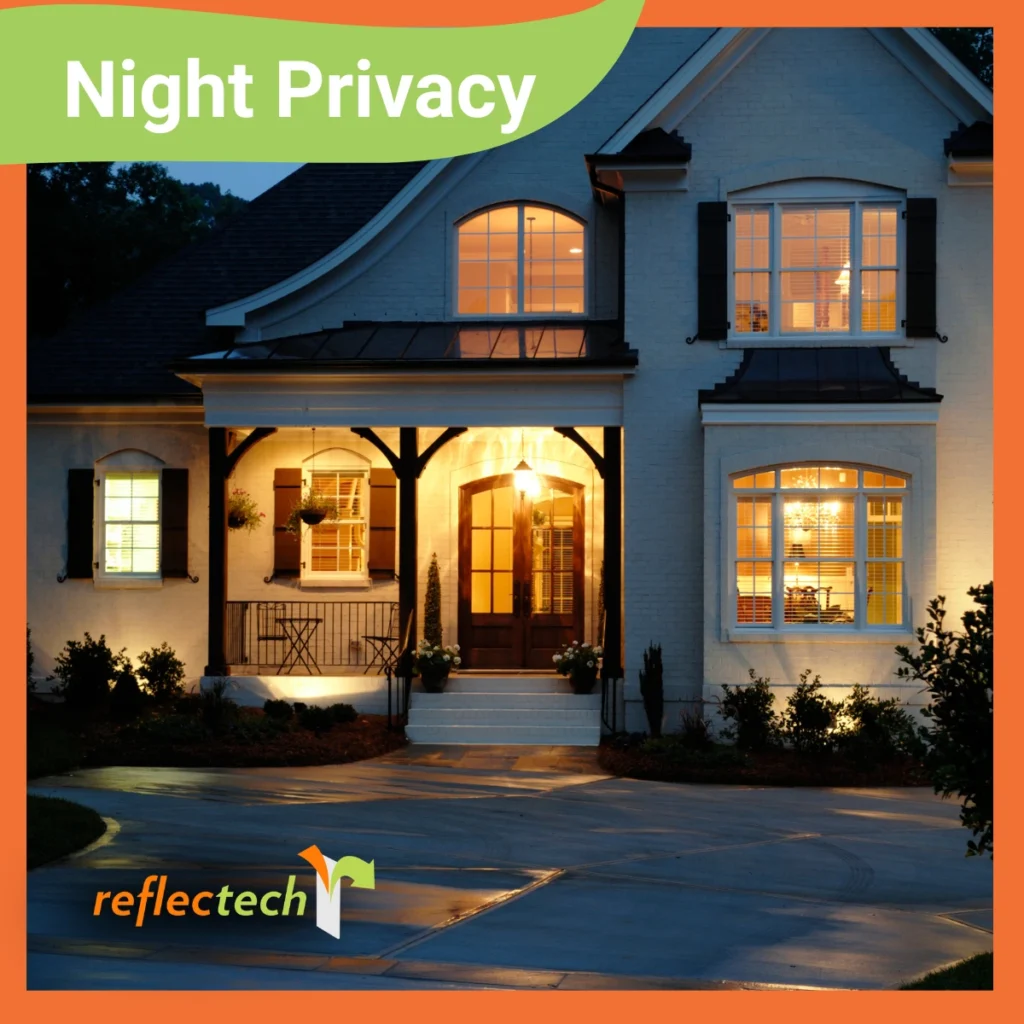
our new window film is going to make your space so much more comfortable for you, your family, and your guests. Along with blocking out harmful UV rays, you’ll enjoy great daytime privacy and see real savings on your energy bills. We want your investment to look brilliant and add value to your property for years to come!
If you love the results, we’d be thrilled if you shared your experience with friends and neighbors. Whenever you need extra tips on prep and aftercare, or if you’re ready for your next project, just give the experts at ReflecTech in the Edmonton area a call. Thank you for choosing premium window film—enjoy your beautifully transformed living space!