Have you ever seen a house with shiny, mirror-like windows? During the day, you cannot see inside at all. You might wonder if those windows give privacy at night, too. The short answer is no. Reflective window film and nighttime privacy do not mix well. To understand why, we need to look at a little bit of science.
The Science of Light and Mirrors
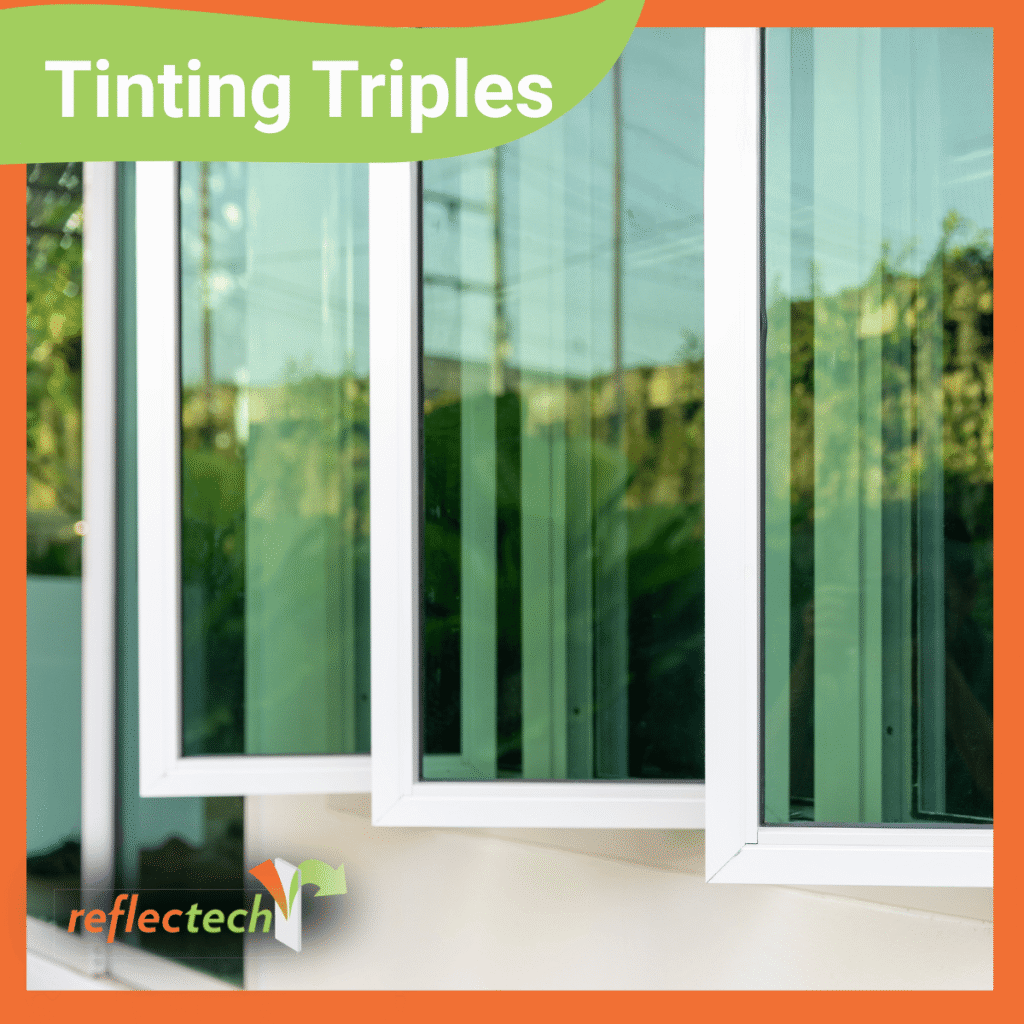
Light travels in straight lines until it hits something. When light hits glass that has reflective film, some light goes through. The rest of the light bounces back. This bounce creates a mirror effect.
Here is the big secret. The mirror trick only works on the brightest side of the glass. During the day, the sun shines super bright outside. Your house is much darker on the inside. Because the outside is brighter, the window looks like a mirror to anyone standing on your lawn. People inside can see out perfectly. The engineers at 3M Window Films design these films to bounce solar energy away. This keeps your house cool and private during the day.
Why the Mirror Flips and Lack of Privacy at Night
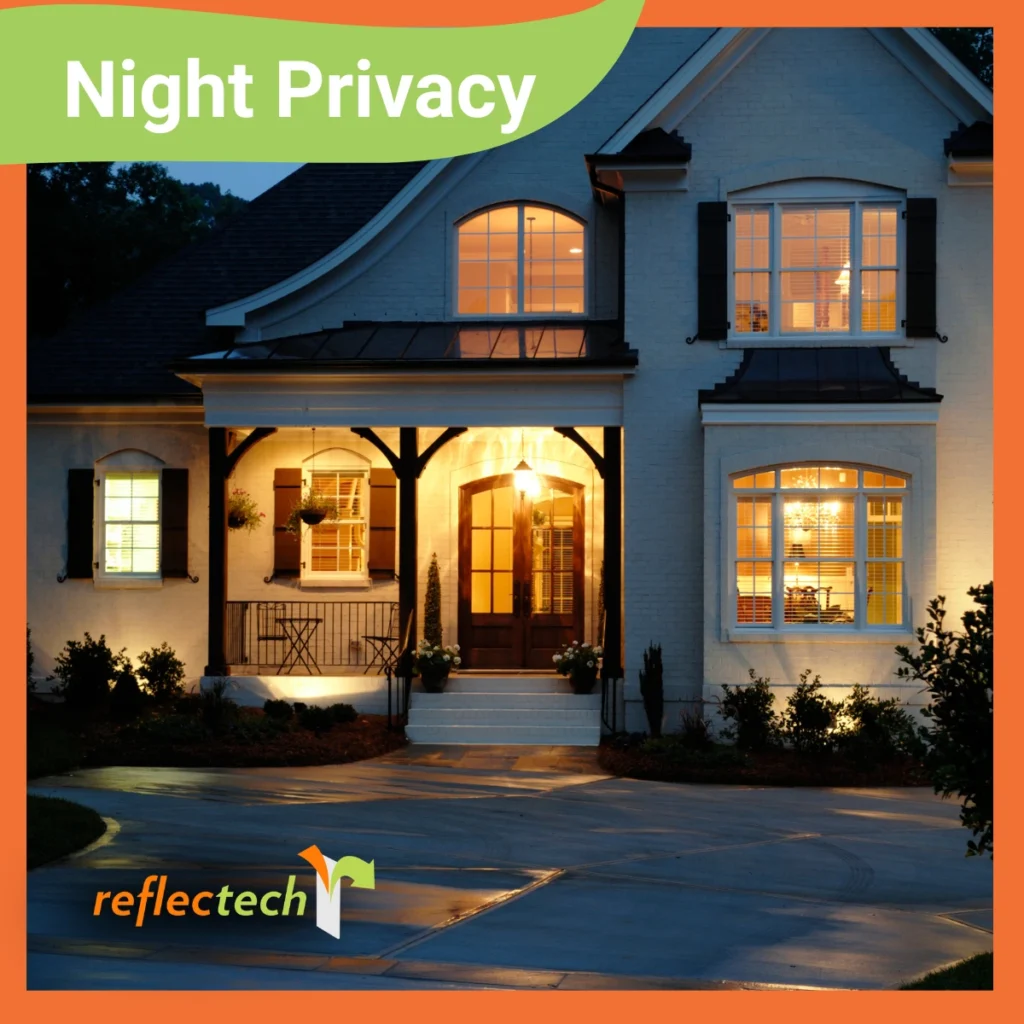
What happens when the sun goes down? The sky gets completely dark. You turn on the lamps inside your house. Suddenly, the lighting situation flips entirely.
Now, the inside of your house is brighter than the outside. The mirror effect switches sides instantly! You look out your window and only see your own reflection. Meanwhile, anyone walking past your house in the dark can see straight inside. They see you watching TV or eating dinner. This ruins your reflective window film and the privacy at night goals. The experts at Madico test how light moves through windows constantly. They prove that you cannot beat the laws of physics. One-way glass always becomes transparent on the darker side.
A Real World Analogy
An example of this is swimming or canoeing on a lake. In most lakes, the water has some particles in the water (algae, mud or other suspended particles). On a sunny day you look down at the water, and you can only see the reflection of the canoe. The water below the canoe is much darker than the ambient light. But if you jump out of the canoe into the water and look up, you can see the canoe, not a reflection of the surface or yourself below the water. This is like a reflective film during the day.
Regular glass is like a clear, glacier feed lake. A glacier lake is too cold for algae, the water is nearly clear, at most angles you can easily see down into the lake on a sunny day. However, if the angle is extreme, the surface could appear to be like a mirror. Very similar to a clear glass pane.
This natural analogy breaks down for night, because the fish don’t turn on the lights. But if there were bioluminescent fish, you would be able to see them clearly in the normal fresh water lake at night, because their light would be brighter than the ambient light. This helps describe what happens with film and privacy at night.
The Frost Film Solution
How do you get privacy both day and night? Unfortunately, only with some compromise. If you want privacy at night you must change the type of film you use. Instead of a shiny mirror film, you need a frosted film.
Frosted film looks like the blurry glass you often see in bathrooms. It scatters the light in every direction. This scrambling effect means nobody can see clearly through the glass. It works perfectly during sunny days and dark nights. Companies like SunTek and LG (LX Hausys) make frosted films that look awesome. They keep your home totally secure from prying eyes around the clock.
However, frost film creates a brand new problem. You cannot see through it either! You lose your beautiful view of the street, your yard, and the trees. Applying too much frost can create a gloomy feeling, like everyday is a winter wonderland. It is adviseable to consider viewing angles and apply just enough to block views in, but allow some natural sunlight through.
Using Doorbell Cameras with Frost Film
If you put frosted film on your front door, how do you know who is knocking? You cannot look through the blurry glass anymore.
Modern technology saves the day here. You should install a smart doorbell camera immediately. The camera mounts outside your door and connects directly to your phone. It acts as your new, high-tech window. When someone walks up, the camera shows you exactly who is there. You keep your completely private, frosted glass. You also get to see outside whenever you want. It gives you the absolute best of both worlds.
The Simple Curtain Fix for Privacy at Night
Maybe you really love looking out your windows during the day. You do not want blurry frosted glass everywhere. You just want privacy when the sun sets.
The easiest solution requires zero technology. You simply buy regular reflective film for the daytime. Then, you use thick curtains or blinds at night. When the streetlights turn on, you just close the blinds. The thick fabric blocks everyone from looking inside. Brands like Solar Gard often recommend this exact strategy. They know their daytime films work great. They also know you need physical shades for the night.
Extra Perks of Window Film Beyond Privacy at Night
Even if window film does not magically hide you at night, it still does amazing things.
The sun spits out harsh ultraviolet rays every day. These UV rays make your couches fade. They make your hardwood floors look old and worn out. Quality window tint blocks almost all of these bad rays. Teams at Llumar point out that tinting acts like sunscreen for your house. It stops the sun from baking your living room in the summer. It also holds the glass together if a rogue baseball shatters your window.
Science makes daytime window privacy incredibly easy. The sun does all the heavy lifting for you. However, you simply cannot buy a magic glass film that hides you at night while letting you see outside. You have to make a choice. You can blur the glass with frost film and use a camera to see visitors. Or, you can enjoy your daytime view and remember to close your curtains when it gets dark. Understanding how light works helps you pick the smartest, safest option for your home.